
Top Travel Tips for Staying Healthy While Traveling
Traveling should be exciting, not exhausting. Staying healthy on the road starts with preparation and smart habits. Whether you’re flying across continents or driving to a nearby city, your well-being depends on planning ahead. This guide covers practical, evidence-based strategies to help you feel your best before, during, and after your trip. From packing essentials to managing jet lag, these tips are designed for real travelers with real schedules.
Prepare Before You Go
Good health begins long before departure. A few thoughtful steps at home can prevent illness and stress on the road. Start by reviewing your itinerary and identifying potential health risks based on your destination.
Check Travel Health Advisories
Visit your government’s travel health website—such as the CDC or NHS—to check for disease outbreaks, required vaccinations, or safety warnings. For example, yellow fever vaccination is mandatory for entry into parts of South America and Africa. Some countries also require proof of COVID-19 vaccination or recent testing.
Sign up for travel alerts if available. These notifications can warn you of sudden changes like political unrest, natural disasters, or health emergencies that could affect your plans.
Visit Your Doctor or Travel Clinic
Schedule a pre-travel consultation 4–6 weeks before departure. This gives enough time for vaccines to take effect. Discuss any chronic conditions, medications, or allergies with your provider.
If you take prescription medication, ask for a copy of your prescription and a letter explaining your medical needs. This can help at customs or if you need a refill abroad. Carry medications in their original containers to avoid confusion.
Update Vaccinations
Routine vaccines like flu, tetanus, and MMR should be up to date. Depending on your destination, you may also need hepatitis A, typhoid, or Japanese encephalitis vaccines. Travel clinics offer destination-specific advice and can administer required shots.
Keep a digital and printed copy of your vaccination record. Some countries require an International Certificate of Vaccination (yellow card) for entry.
Pack a Travel Health Kit
A well-stocked health kit can save time and money. Include basics like pain relievers, antacids, antihistamines, and rehydration salts. Add a digital thermometer, bandages, antiseptic wipes, and any personal medications.
Don’t forget sunscreen, insect repellent, and hand sanitizer. Choose products with at least SPF 30 and DEET-based repellents for mosquito-prone areas. Pack travel-sized versions to comply with airline liquid rules.
Stay Hydrated and Eat Wisely
Dehydration and foodborne illness are common travel health issues. Your body reacts to new environments, time zones, and diets. Smart eating and drinking habits can keep you energized and avoid stomach troubles.
Drink Safe Water
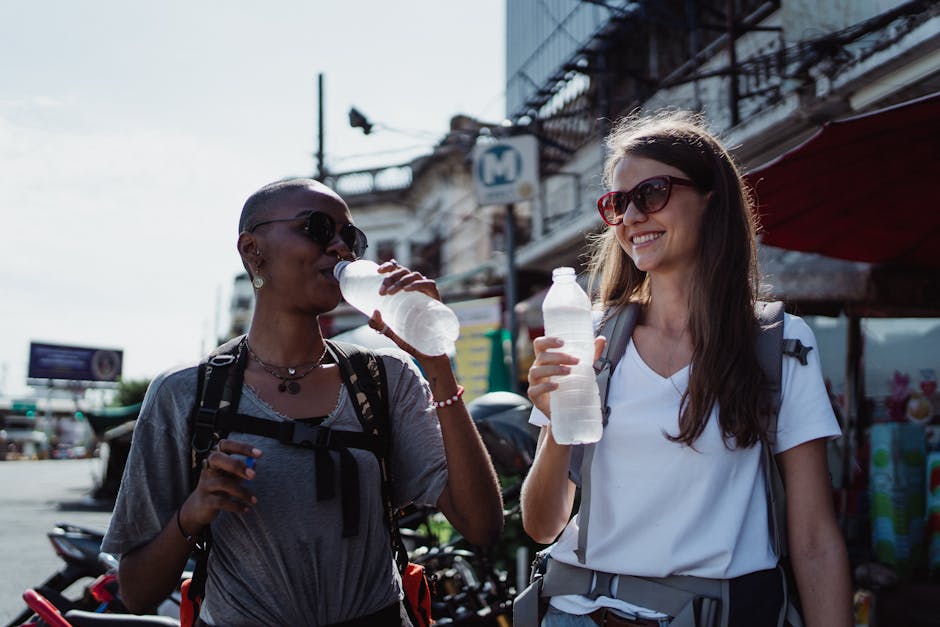
In many countries, tap water isn’t safe to drink. Stick to bottled or filtered water, even for brushing your teeth. Avoid ice cubes unless you’re sure they’re made from purified water.
Carry a reusable water bottle with a built-in filter if you’ll be in remote areas. Brands like LifeStraw or Grayl are popular among backpackers. Boiling water for at least one minute also kills most pathogens.
Choose Food Carefully
Street food can be delicious, but it carries risks. Eat at busy stalls where food is cooked fresh and served hot. Avoid raw vegetables, undercooked meat, and unpasteurized dairy.
When in doubt, peel it, cook it, or forget it. Fruits you can peel yourself—like bananas or oranges—are safer than pre-cut fruit salads. Stick to reputable restaurants in tourist areas if you’re unsure.
Manage Jet Lag and Meal Timing
Crossing time zones disrupts your internal clock. Adjust your meal times a few days before departure to gradually shift your schedule. Eat light meals during flights and avoid heavy, greasy foods.
Once you arrive, eat according to local time. Exposure to natural light during the day helps reset your circadian rhythm. Avoid large meals right before bed.
Maintain Hygiene on the Go
Germs spread quickly in airports, hotels, and public transport. Simple hygiene practices reduce your risk of catching colds, flu, or stomach bugs.
Wash Hands Frequently
Use soap and water for at least 20 seconds, especially before eating and after using the restroom. If soap isn’t available, use hand sanitizer with at least 60% alcohol.
Carry sanitizing wipes to clean high-touch surfaces like tray tables, armrests, and hotel remote controls. These items are rarely disinfected between uses.
Avoid Touching Your Face
Your eyes, nose, and mouth are entry points for viruses. Keep your hands away from your face, especially in crowded places. Use a tissue or elbow to cover coughs and sneezes.
Wearing a mask in high-risk areas like airplanes or hospitals can reduce exposure to airborne illnesses. N95 or KN95 masks offer better protection than cloth versions.
Choose Accommodations Wisely
Cleanliness varies widely between hotels and hostels. Read recent reviews that mention hygiene, especially bathroom and kitchen conditions. Look for places with daily housekeeping and visible cleaning protocols.
Bring your own pillowcase or sleep sheet if you’re sensitive to allergens. Some travelers also use portable door seals or window screens for added peace of mind.
Stay Active and Manage Stress
Travel often means long flights, delayed schedules, and disrupted routines. Staying active and managing stress supports both physical and mental health.
Move During Long Flights
Sitting for hours increases the risk of blood clots (deep vein thrombosis). Stand up and walk every hour if possible. Do seated stretches for your legs, neck, and shoulders.
Wear compression socks on flights over four hours. They improve circulation and reduce swelling. Choose loose, comfortable clothing to promote blood flow.
Walk and Explore
Walking is one of the easiest ways to stay active while sightseeing. Use stairs instead of elevators when feasible. Explore neighborhoods on foot to discover hidden gems and burn calories.
If your hotel has a gym, use it. Many offer free access to guests. Even 20 minutes of light exercise can boost energy and improve sleep.
Practice Mindfulness and Rest
Travel can be mentally taxing. Practice deep breathing, meditation, or journaling to stay grounded. Apps like Calm or Headspace offer guided sessions you can use anywhere.
Prioritize sleep. Aim for 7–8 hours per night, even on vacation. Use earplugs, an eye mask, or white noise apps to improve sleep quality in noisy or unfamiliar environments.
Protect Yourself from the Sun and Insects
Sunburn and insect bites are more than nuisances—they can lead to serious health issues. Prevention is key, especially in tropical or rural areas.
Use Sun Protection
Apply broad-spectrum sunscreen every two hours, especially after swimming or sweating. Reapply even on cloudy days—UV rays penetrate cloud cover.
Wear a wide-brimmed hat, sunglasses with UV protection, and lightweight long sleeves. Seek shade during peak sun hours (10 a.m. to 4 p.m.).
Avoid Insect Bites
Insects like mosquitoes and ticks carry diseases such as malaria, dengue, and Lyme disease. Use EPA-approved repellents containing DEET, picaridin, or oil of lemon eucalyptus.
Sleep under a mosquito net in areas with malaria risk. Treat clothing with permethrin for added protection. Check your body for ticks after hiking or spending time in grassy areas.
Handle Travel Sickness and Emergencies
Motion sickness, altitude changes, and unexpected health issues can arise. Being prepared helps you respond quickly and calmly.
Prevent and Treat Motion Sickness
Sit in the front seat of a car or over the wings on a plane—these areas experience less motion. Focus on the horizon and avoid reading or using screens.
Ginger supplements, acupressure bands, or over-the-counter medications like dimenhydrinate can help. Take medication 30–60 minutes before travel for best results.
Adjust to High Altitudes
Ascend slowly when traveling to high elevations (above 8,000 feet). Allow your body time to acclimate—spend a day or two at intermediate altitudes if possible.
Stay hydrated, avoid alcohol, and eat light meals. Symptoms of altitude sickness include headache, nausea, and dizziness. Descend immediately if symptoms worsen.
Know How to Get Medical Help
Research local hospitals and clinics at your destination. Save emergency numbers in your phone. Consider travel insurance that covers medical evacuation.
If you feel seriously ill, seek help promptly. Don’t wait—early treatment improves outcomes. Carry a list of your allergies, medications, and emergency contacts.
Recover After Your Trip
Your health journey doesn’t end when you return home. Post-travel care helps you catch potential issues early and return to your routine smoothly.
Monitor Your Health
Watch for symptoms like fever, diarrhea, or rash in the weeks after travel. Some diseases, such as malaria, can take days or weeks to appear.
See a doctor if you feel unwell, especially after visiting tropical regions. Mention your travel history—it’s critical for accurate diagnosis.
Rest and Rehydrate
Give your body time to recover. Catch up on sleep, drink plenty of fluids, and eat nutritious meals. Avoid over-scheduling your first few days back.
Reintroduce exercise gradually. Your stamina may be lower after long flights or illness. Listen to your body and avoid pushing too hard too soon.
Reflect and Plan Ahead
Think about what worked and what didn’t. Did you get enough sleep? Were your meals balanced? Use these insights to improve future trips.
Update your travel health kit and restock any used items. Keep a digital copy of your itinerary and health records for reference.
FAQ
What should I do if I get sick while traveling?
Seek medical help immediately, especially for fever, severe diarrhea, or breathing difficulties. Use travel insurance if you have it, and contact your embassy if needed. Carry a list of local clinics and emergency numbers.
Can I drink tap water in Europe?
In most Western European countries, tap water is safe to drink. However, quality varies in Eastern Europe and rural areas. When in doubt, use bottled water or a filter.
How can I avoid jet lag?
Adjust your sleep schedule a few days before departure, stay hydrated, and expose yourself to natural light at your destination. Avoid alcohol and heavy meals during flights.