
Fresh Destination Guide to Copenhagen for Design Fans
Copenhagen is a dream destination for design lovers. The city blends timeless Nordic aesthetics with cutting-edge innovation across architecture, furniture, fashion, and urban planning. From iconic mid-century modern pieces to sustainable new builds, Copenhagen offers a living museum of thoughtful design. Whether you’re drawn to minimalist interiors, functional public spaces, or design-forward retail, this guide highlights the must-see spots, hidden studios, and cultural institutions that define Copenhagen’s design identity.
Why Copenhagen Is a Design Capital
Copenhagen’s reputation as a global design hub didn’t happen by accident. It stems from a century-long tradition of prioritizing function, craftsmanship, and social responsibility. Danish design emerged in the 1950s with figures like Arne Jacobsen and Hans Wegner, whose furniture still influences modern interiors.
Today, the city continues to innovate. Sustainability is woven into every project, from energy-efficient buildings to circular fashion brands. Public spaces are designed for people, not cars, reflecting a philosophy that values quality of life. This commitment makes Copenhagen a living classroom for anyone interested in how design shapes daily experiences.
Top Design Districts to Explore
Nørrebro: Creative Energy and Independent Studios
Nørrebro pulses with creative energy. Once a working-class neighborhood, it’s now a hotspot for independent designers, street art, and experimental retail. Walk along Jægersborggade, a pedestrian street lined with boutiques, galleries, and cafes.
Stop by Norm Copenhagen, a showroom and store showcasing Scandinavian tableware and home accessories. Nearby, Hay House offers bold, contemporary furniture with a playful twist. For emerging talent, visit Designmuseum Danmark’s Satellite Space, which rotates exhibitions from young Danish designers.
Christianshavn: Waterfront Charm and Cozy Interiors
Christianshavn feels like a village within the city. Its canals, colorful row houses, and quiet streets make it ideal for a relaxed design stroll. The area is home to several design studios and concept stores.
Check out Ferm Living, known for its geometric patterns and functional home goods. Their flagship store doubles as a gallery, often hosting pop-ups and artist collaborations. Don’t miss Kunsthal Charlottenborg, a contemporary art museum with strong ties to design and architecture.
Vesterbro: Industrial Heritage Meets Modern Flair
Vesterbro has transformed from an industrial zone into a trendy district with a strong design presence. Former warehouses now house design shops, breweries, and co-working spaces.
Visit Illums Bolighus, a high-end home store with a curated selection of Danish and international brands. For a more local vibe, explore Reffen, a street food market built from repurposed shipping containers—proof of Copenhagen’s love for adaptive reuse.
Must-Visit Design Museums and Galleries
Designmuseum Danmark
This is the crown jewel of Danish design institutions. Housed in a former hospital building from 1894, the museum spans over 5,000 years of design history. Permanent collections include iconic chairs, ceramics, and textiles.
Current exhibitions often focus on sustainability and future materials. The museum also offers guided tours and workshops. Allow at least two hours to explore. Entry is free for EU citizens under 27.
Louisiana Museum of Modern Art
Though technically in nearby Humlebæk, Louisiana is a short train ride from central Copenhagen and worth the trip. The museum blends art, architecture, and nature in a stunning coastal setting.
Its design-focused exhibitions frequently feature Scandinavian architects and product designers. The building itself—designed by Vilhelm Wohlert—is a masterpiece of light, space, and integration with the landscape.
ARKEN Museum of Modern Art
Located in Ishøj, south of Copenhagen, ARKEN focuses on contemporary art with strong design undertones. The building, shaped like a ship, is a bold example of modern architecture.
ARKEN often hosts installations that blur the line between art and design. Past exhibits have included works by Olafur Eliasson and Bjørn Nørgaard. The surrounding park is designed for reflection and creativity.
Iconic Design Landmarks and Buildings
The Round Tower (Rundetaarn)
Built in the 17th century, this tower is one of Copenhagen’s oldest observatories. Its spiraling ramp—designed for horseback access—remains a marvel of functional architecture.
Today, it hosts art exhibitions and offers panoramic views of the city. The design is a reminder that even historic structures can serve modern cultural purposes.
8 House by Bjarke Ingels Group (BIG)
This residential complex in Ørestad is a landmark of contemporary urban design. Shaped like a figure 8, it combines apartments, offices, and retail in a single continuous loop.
Residents can walk from ground level to the top via a sloping pathway. The building promotes community interaction and green living. It’s a prime example of how design can solve urban challenges.
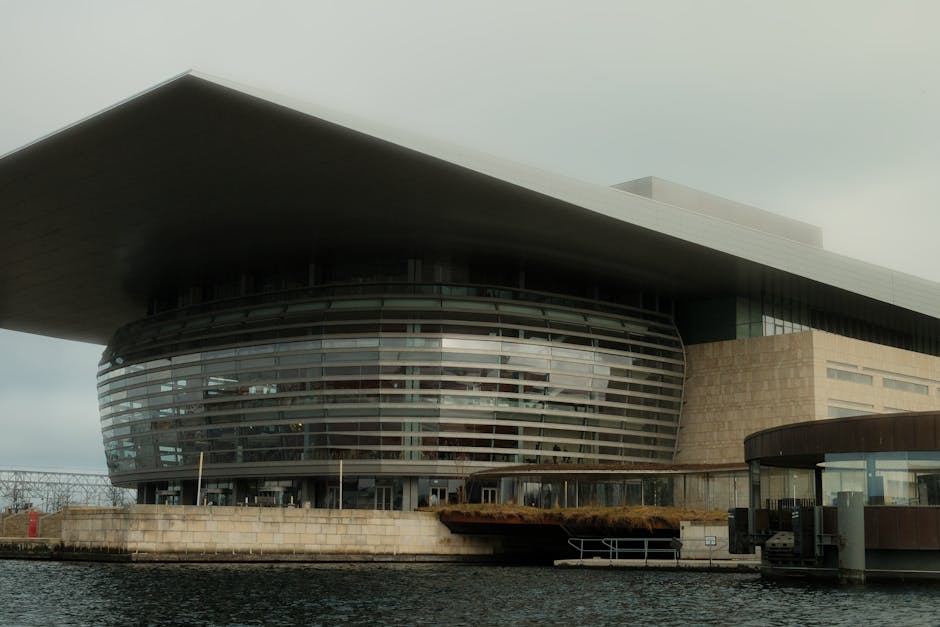
Copenhagen Opera House
Designed by Henning Larsen Architects, this waterfront building is a symbol of modern Denmark. Its clean lines, glass facades, and use of natural light reflect Nordic design principles.
Even if you don’t attend a performance, the lobby and public areas are open for visits. Guided tours explain the architectural choices and acoustics engineering.
Where to Shop for Authentic Danish Design
Hay House
Founded in 2002, Hay creates colorful, accessible furniture and accessories. Their flagship store in Vesterbro feels like a playground for design lovers.
Products range from modular sofas to playful lighting. Prices are mid-range, making it easier to take a piece of Danish design home. They also offer online shopping with international shipping.
Ferm Living
Known for minimalist patterns and functional forms, Ferm Living blends Scandinavian tradition with modern needs. Their store in Christianshavn showcases everything from wall shelves to children’s furniture.
Look for their seasonal collections, which often feature collaborations with artists. Items are designed in Denmark and produced sustainably.
Georg Jensen
This heritage brand has been crafting silverware, jewelry, and home decor since 1904. Their flagship store near Nyhavn displays timeless pieces alongside contemporary lines.

Even if you’re not buying, the craftsmanship on display is worth seeing. The brand emphasizes quality over quantity, a core tenet of Danish design.
Design Cafes and Workspaces
Copenhagen’s cafe culture is deeply tied to its design scene. Many cafes double as co-working spaces or galleries, fostering creativity and community.
Democratic Design Café in Nørrebro partners with local designers to rotate furniture and decor. Every three months, the space transforms to reflect a new theme or collaboration.
The Coffee Collective in Vesterbro is a pioneer in third-wave coffee and minimalist interiors. Their space uses natural materials and open layouts, creating a calm environment for work or conversation.
For a quieter option, Paludan Bog & Café combines a bookstore with a cafe. Located near the University of Copenhagen, it’s a favorite among students and academics.
Design Events and Festivals
Copenhagen hosts several design-focused events throughout the year. These are great opportunities to meet designers, see new work, and experience the city’s creative pulse.
Copenhagen Fashion Week (February and August) features sustainable brands and innovative runway shows. Many events are open to the public, especially during the ‘Off-schedule’ program.
CPH:DOX (March) is an international documentary festival with a strong design and architecture strand. Screenings are often followed by talks with designers and urban planners.
Design March (August) is a citywide festival organized by the Danish Design Center. It includes open studios, exhibitions, and workshops across multiple neighborhoods.
Sustainable Design in Copenhagen
Sustainability isn’t a trend in Copenhagen—it’s a design principle. The city aims to be carbon-neutral by 2025, and this goal influences every project.
Buildings use geothermal heating, green roofs, and recycled materials. Fashion brands like Ganni and Stine Goya prioritize organic fabrics and transparent supply chains.
Public furniture is often made from upcycled materials. Even bike lanes are designed with safety and aesthetics in mind. This holistic approach makes Copenhagen a model for eco-conscious design.
Tips for Design-Focused Travelers
Plan your visit around design events for maximum impact. August is ideal due to Design March, but spring and fall also offer good weather and fewer crowds.
Use public transportation or rent a bike. Copenhagen is compact and bike-friendly, making it easy to explore design districts on two wheels.
Book museum tickets in advance, especially during peak seasons. Some exhibitions require timed entry.
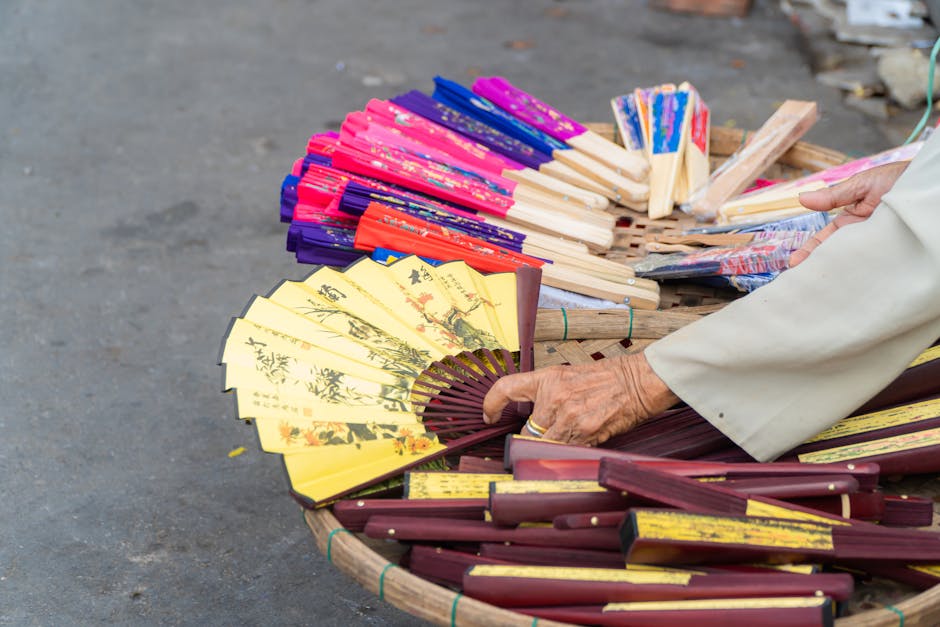
Support local designers by shopping at independent stores. Avoid mass-produced souvenirs in favor of handmade or locally designed items.
Respect quiet zones and photography rules in galleries and private studios. Many spaces are working environments, not just tourist attractions.
Hidden Gems for Design Enthusiasts
Not all design experiences are in guidebooks. Seek out lesser-known spots for a more personal connection to Copenhagen’s creative spirit.
Kunsthal Charlottenborg’s Rooftop offers a quiet retreat with views over Nyhavn. It’s open to the public and often features temporary art installations.
The Danish Architecture Center (DAC) in the former warehouse district explores how design shapes cities. Interactive exhibits make complex topics accessible.
Studio visits in Refshaleøen allow you to meet emerging designers in their workspaces. Some offer open days or by-appointment tours.
How to Experience Design Like a Local
To truly understand Copenhagen’s design culture, engage with it daily. Start your morning with coffee at a design-forward cafe, then walk through a neighborhood known for its architecture.
Visit a local flea market like Kødbyens Fiskeplads on Sundays. You’ll find vintage furniture, ceramics, and textiles—often at affordable prices.
Join a guided design walk. Companies like Urban Adventure offer themed tours focusing on sustainability, street art, or mid-century modernism.
End your day with dinner at a restaurant that values interior design. Places like Restaurant 108 or Alchemist treat dining as a multisensory experience.
Final Thoughts
Copenhagen offers more than beautiful objects—it offers a philosophy. Design here is about improving life, not just aesthetics. Whether you’re admiring a classic chair or exploring a futuristic building, you’re witnessing a culture that values thoughtfulness, craftsmanship, and community.
This guide provides a roadmap, but the best experiences come from curiosity. Wander, ask questions, and let the city’s design language speak to you. Copenhagen rewards those who look closely.
FAQ
What is the best time of year to visit Copenhagen for design lovers?
August is ideal due to Design March, a citywide festival with open studios and exhibitions. Spring (April–May) and early fall (September) also offer pleasant weather and fewer tourists.
Are design museums in Copenhagen expensive to visit?
Prices vary. Designmuseum Danmark charges around 120 DKK for adults, but entry is free for EU citizens under 27. Louisiana and ARKEN have similar pricing, with discounts for students and seniors.
Can I buy authentic Danish design items as souvenirs?
Yes. Stores like Hay, Ferm Living, and Georg Jensen offer smaller items like mugs, notebooks, and accessories. Look for the “Designed in Denmark” label to ensure authenticity.