
Practical Destination Guide to London on Any Budget
London can be affordable—if you know where to look. Whether you’re a backpacker or planning a mid-range getaway, this guide shows you how to experience the city’s best sights, food, and culture without overspending. From free museums and budget transport hacks to wallet-friendly neighborhoods and hidden gems, we’ve mapped out real strategies that work. You’ll find exact prices, timing tips, and alternatives to overpriced tourist traps. By the end, you’ll have a clear plan to enjoy London on your terms, no matter your budget.
Getting Around London Affordably
Transport costs can quickly add up, but smart choices keep them low. The city’s public transit system is extensive, reliable, and often cheaper than taxis or ride-shares.
Use an Oyster Card or Contactless Payment
An Oyster card or contactless debit/credit card gives you access to the Tube, buses, DLR, Overground, and most National Rail services within London. Fares are capped daily, so you never pay more than the cost of a day pass—even if you travel all day.
For example, a single Tube ride costs £2.80 with Oyster or contactless, but a 7-day Travelcard for Zones 1–2 is £40.60. If you’re staying a week and making three trips a day, contactless is cheaper and more flexible.
Walk or Cycle When Possible
Central London is compact and walkable. Many top attractions—like the British Museum, Covent Garden, and the South Bank—are within a 20-minute walk of each other.
For longer distances, Santander Cycles (“Boris Bikes”) cost £2 per 30 minutes. Docking stations are everywhere, and the first 30 minutes are often enough to cross the city. Avoid peak-hour cycling on busy roads like Oxford Street.
Avoid Taxis and Ride-Sharing Unless Necessary
Black cabs start at £3.20 and rise quickly in traffic. Uber and Bolt can be slightly cheaper but still cost £10–£15 for a short cross-town trip. Use them only late at night or with heavy luggage.
Instead, take the Night Tube on Fridays and Saturdays (Zones 1–2) for £3.80 per ride—no surge pricing.
Where to Stay Without Overspending
Accommodation is London’s biggest expense, but you can cut costs with smart location choices and booking tactics.
Choose Budget-Friendly Neighborhoods
Stay in areas with good transport links but lower prices. Camden, Brixton, and Stratford offer hostels and budget hotels from £40–£70 per night. These neighborhoods are vibrant, safe, and well-connected to central attractions.
Avoid staying in Zone 1 unless you find a deal. A hotel near King’s Cross might cost £150, while the same quality in Zone 2 (like Archway or Walthamstow) could be £80.
Book in Advance and Compare Platforms
Prices rise as dates approach. Book hostels and budget hotels 4–6 weeks ahead for the best rates. Use sites like Hostelworld, Booking.com, or directly with hotel websites—some offer free cancellation.
Hostels aren’t just for backpackers. Many have private rooms with en suites for £60–£90, rivaling budget hotels in comfort.
Consider Alternative Accommodations
Airbnb can be cheaper for groups or longer stays. Look for entire flats in residential areas like Peckham or Leyton. Avoid central “tourist flats” with high cleaning fees.
University dorms sometimes rent rooms during summer holidays. Check University of London or LSE summer accommodations for clean, quiet stays under £50 per night.
Free and Low-Cost Attractions
London’s cultural scene doesn’t have to cost a fortune. Many world-class museums and landmarks are free or offer discounted entry.
Visit Free Museums and Galleries
The British Museum, National Gallery, Tate Modern, and Victoria and Albert Museum are all free. They’re open daily, with timed entry for special exhibitions.
Arrive early to avoid crowds. The British Museum opens at 10 a.m.; get there by 9:45 a.m. to enter quickly. Most museums have free audio guides or apps.
Explore Royal Parks and Outdoor Spaces
Hyde Park, Regent’s Park, and Greenwich Park are free and perfect for picnics, walks, or people-watching. Visit the Diana Memorial Fountain in Hyde Park or climb Primrose Hill for a panoramic city view—no ticket needed.
In summer, free open-air cinema screenings and concerts happen in parks like Brockwell and Victoria. Check local listings for dates.
See Iconic Sights Without Paying
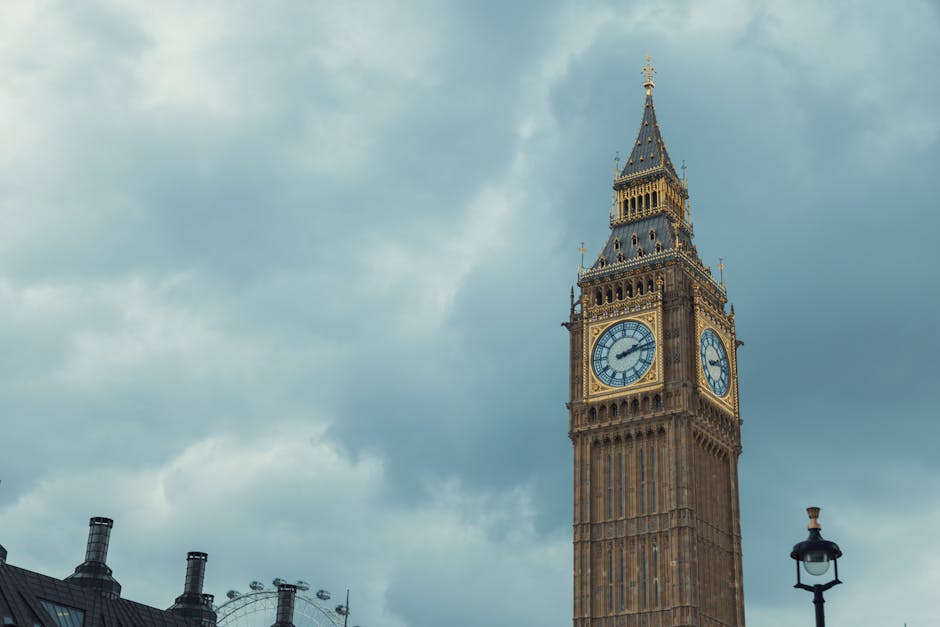
You don’t need a ticket to see Big Ben, Tower Bridge, or Buckingham Palace. Walk along the South Bank for stunning views of the Thames and city skyline. The Shard’s viewing platform costs £32, but the view from the free Sky Garden (book ahead) is nearly as good.
Watch the Changing of the Guard at Buckingham Palace for free—just arrive 30 minutes early to secure a spot.
Eating Well on a Budget
London’s food scene is diverse and affordable if you avoid tourist restaurants. eat like a local to save money and taste better food.
Shop at Markets and Supermarkets
Borough Market is iconic but pricey. Instead, try Maltby Street Market (Saturdays only) or Broadway Market (Saturdays) for fresh, local produce and street food under £10.
Supermarkets like Tesco, Sainsbury’s, and Lidl offer ready meals, sandwiches, and snacks for £3–£5. Grab a £1 meal deal at Pret or Eat for lunch.
Eat Where Locals Eat
Avoid restaurants near major attractions. Walk 10–15 minutes into residential areas for better prices and authentic meals. Try Dishoom in Covent Garden for Indian cuisine (£12–£15 per main) or Franco Manca for sourdough pizzas from £7.</n
Look for “pre-theatre” menus—many restaurants offer two-course meals before 7 p.m. for £15–£20.
Drink Smart
Pubs charge £5–£7 for a pint. Save money by buying beer from supermarkets (£1.20 per bottle) and drinking in parks (legal in most). Avoid rooftop bars unless you’re splurging—drinks start at £12.
Tap water is free in restaurants. Just ask: “Can I have tap water, please?”
Seasonal Tips and Money-Saving Timing
When you visit affects both cost and crowd levels. Plan around off-peak times for better deals.
Travel Off-Peak When Possible
January–February and November are cheapest, with fewer tourists and lower hotel rates. Summer (June–August) is peak season—expect higher prices and crowds.
Book flights mid-week for better deals. Tuesday and Wednesday departures are often 15–20% cheaper than weekends.
Use Discount Cards and Passes
The London Pass includes entry to over 80 attractions for £79–£139. Only buy it if you plan to visit 4+ paid sites. Otherwise, pay as you go.
Students, seniors, and youth (under 26) get discounts with ISIC, Oyster photocards, or railcards. Always carry ID.
Watch for Free Events and Festivals
London hosts free cultural events year-round. Notting Hill Carnival (August), New Year’s Day Parade, and Open House London (September) offer unique experiences at no cost.
Check Time Out London or Visit London for updated event calendars.
Avoiding Common Budget Traps
London has plenty of ways to overspend. Stay aware of these pitfalls.
Don’t Fall for “Tourist Menus”
Restaurants near stations or attractions often have inflated prices and lower quality. Menus displayed outside with “specials” are usually overpriced.
Walk two blocks away from main streets for better value. A curry in Brick Lane costs £10; the same dish near Tower Bridge costs £18.
Skip the Thames River Cruise
A one-hour cruise costs £20–£30. Instead, walk the South Bank for free and see the same views. Use the ferry between Canary Wharf and Rotherhithe (£7) for a short, scenic ride.
Beware of Currency Exchange Scams
Avoid exchanging money at airport kiosks or street booths. Rates are poor, and fees are hidden. Use ATMs at banks or withdraw with a no-foreign-fee debit card.
Revolut, Wise, or Monzo cards offer real exchange rates and low fees.
Sample Itinerary: 3 Days in London on £50 a Day
Here’s a realistic plan for a budget traveler covering key sights, food, and transport.
Day 1: Central London Highlights
- Morning: British Museum (free), 10 a.m.–12 p.m.
- Lunch: Pret meal deal (£5)
- Afternoon: Walk to Covent Garden, then South Bank to London Eye (view from outside)
- Evening: Dinner at Franco Manca (£8), walk along Thames
- Transport: Oyster card, £3.80
Total: £16.80
Day 2: Royal London and Markets
- Morning: Changing of the Guard (free, arrive by 10:30 a.m.), Buckingham Palace
- Lunch: Borough Market sample stalls (£6)
- Afternoon: Walk through St. James’s Park to Westminster, then Tate Modern (free)
- Evening: Pub dinner in Southwark (£12)
- Transport: Oyster card, £3.80
Total: £21.80
Day 3: East London Culture
- Morning: Street art walk in Shoreditch (free), Columbia Road Flower Market (Sunday only)
- Lunch: Brick Lane bagel (£4)
- Afternoon: V&A Museum (free), then walk to Tower Bridge
- Evening: Rooftop drink at Queen of Hoxton (happy hour, £6)
- Transport: Oyster card, £3.80
Total: £13.80
Three-day total: £52.40—under £50 per day with careful planning.
Final Tips for a Smooth Trip
Pack light to avoid luggage fees and move easily between transport modes. Wear comfortable shoes—London involves a lot of walking.
Download offline maps (Google Maps or Citymapper) to navigate without data. Most cafes and museums offer free Wi-Fi.
Keep a photo of your passport and hotel address on your phone. Carry a reusable water bottle—tap water is safe and free.
FAQ
Is London really expensive?
Yes, but it doesn’t have to be. With smart planning—using public transport, eating at local spots, and visiting free attractions—you can enjoy London on £40–£60 per day.
Do I need to book attractions in advance?
For free museums, no—just walk in. For popular paid sites like the London Eye or Tower of London, booking ahead saves time and sometimes money. The Sky Garden requires free timed tickets booked weeks in advance.
Is it safe to walk at night in London?
Most central and tourist areas are safe at night, but stay aware. Avoid poorly lit alleys and quiet side streets. Use well-lit main roads and public transport after dark.