
Top Adventure Travel Destinations for Trekking Fans
For trekking enthusiasts, the world offers some of the most breathtaking trails, rugged landscapes, and life-changing adventures. Whether you’re drawn to high-altitude mountain passes, remote jungle paths, or ancient pilgrimage routes, the right destination can transform a simple hike into an unforgettable journey. This guide highlights the top adventure travel destinations for trekking fans, combining natural beauty, cultural richness, and trail diversity to help you choose your next great escape.
Why Trekking Is More Than Just a Hike
Trekking is not just about physical endurance—it’s a way to connect with nature, challenge personal limits, and experience cultures in their most authentic form. Unlike short hikes, multi-day treks often take you through remote regions where modern comforts fade, leaving only raw landscapes and quiet moments.
These journeys demand preparation, respect for the environment, and awareness of local customs. But the rewards—stunning vistas, personal growth, and stories worth sharing—are unmatched.
How to Choose the Right Trekking Destination
Consider Your Fitness Level
Not all treks are created equal. Beginners should start with well-marked, lower-elevation trails like the Inca Trail or the Annapurna Circuit’s easier segments. More experienced trekkers may aim for high-altitude challenges such as Everest Base Camp or the Snowman Trek in Bhutan.
Always assess your current fitness and training. A 10-day trek at 5,000 meters is vastly different from a weekend walk in the Alps. Training with weighted packs and elevation gain can make a significant difference.
Match the Season to the Location
Timing is everything. The best months for trekking in Nepal are typically March to May and October to November, avoiding monsoon rains and extreme winter cold. In Patagonia, the Southern Hemisphere’s summer (December to February) offers the most stable weather.
Research seasonal conditions for each destination. Some trails, like the Torres del Paine W Trek, are nearly impassable in winter due to snow and ice.
Factor in Permits and Regulations
Many top trekking destinations require permits, quotas, or guided tours. The Inca Trail to Machu Picchu, for example, limits daily hikers and requires advance booking. Similarly, Bhutan mandates a licensed guide and daily tariff for all visitors.
Ignoring these rules can result in denied entry or fines. Always check official tourism websites or consult a reputable tour operator before planning.
Top 10 Adventure Travel Destinations for Trekking Fans
1. Annapurna Circuit, Nepal
The Annapurna Circuit is a classic Himalayan trek that circles the Annapurna Massif, offering diverse landscapes from subtropical forests to arid high deserts. The route reaches Thorong La Pass at 5,416 meters, one of the highest trekking passes in the world.
Trekkers pass through traditional villages, Buddhist monasteries, and terraced farms, experiencing Nepali culture firsthand. The full circuit takes 15–20 days, though shorter segments are possible.
Best time: October to November and March to April. Accommodation is available in teahouses along the route, making it accessible for independent travelers.
2. Torres del Paine W Trek, Chile
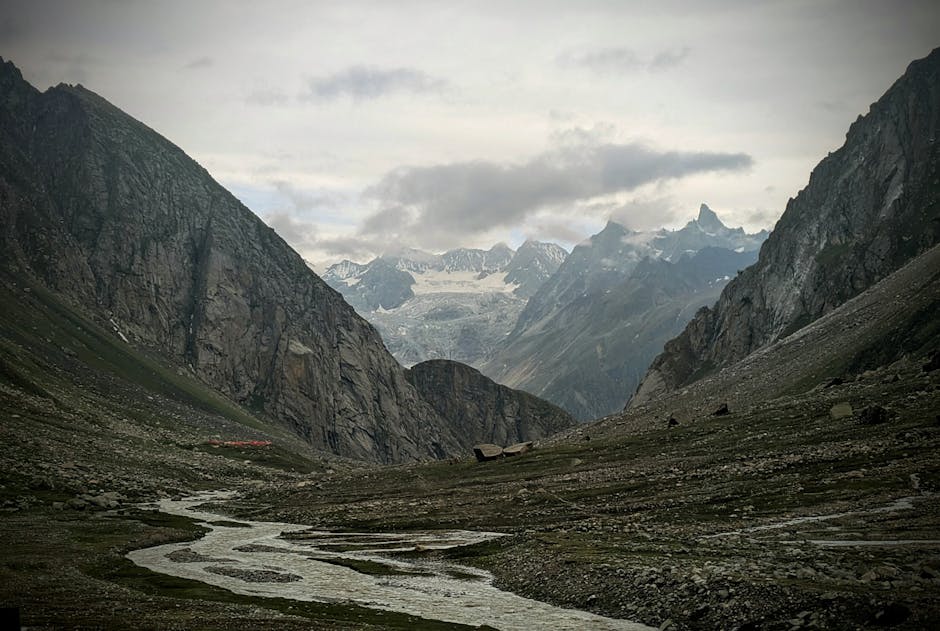
Located in Chilean Patagonia, the W Trek is a 5–7 day journey through one of the most dramatic landscapes on Earth. The route connects five major valleys, offering views of granite towers, glacial lakes, and the Paine Massif.
Highlights include the Base of the Towers hike, Grey Glacier, and the French Valley. Weather can change rapidly, so waterproof gear and layers are essential.
Refugios (mountain huts) and campsites are available, but reservations are required during peak season. The park is part of a UNESCO Biosphere Reserve, so strict Leave No Trace principles apply.
3. Inca Trail to Machu Picchu, Peru
The Inca Trail is one of the most famous treks in the world, leading to the ancient citadel of Machu Picchu. This 4-day, 43-kilometer route follows stone-paved paths built by the Inca Empire over 500 years ago.
Trekkers cross high mountain passes, cloud forests, and archaeological sites like Wiñay Wayna. The final sunrise arrival at Machu Picchu is a bucket-list moment.
Permits are limited to 500 people per day (including guides and porters), so book at least 6 months in advance. Altitude sickness is a risk—arrive in Cusco a few days early to acclimatize.
4. Everest Base Camp, Nepal
The Everest Base Camp trek is the ultimate Himalayan challenge for many adventurers. The 12–14 day journey takes you through Sherpa villages, past monasteries, and into the heart of the Khumbu region.
Reaching 5,364 meters at base camp, the trek offers views of Everest, Lhotse, and Ama Dablam. The trail ends at Kala Patthar, a popular viewpoint for sunrise over Everest.
This trek requires good physical condition and acclimatization days. Most travelers use teahouses, but services are basic at higher elevations. Hiring a local guide or porter is recommended for safety and cultural insight.
5. The Snowman Trek, Bhutan
The Snowman Trek is one of the world’s most difficult long-distance treks, spanning 350 kilometers across the Bhutanese Himalayas. It takes 25–30 days and crosses 11 high mountain passes, some above 5,000 meters.
Trekkers pass through remote valleys, yak herder camps, and pristine forests. The isolation and altitude make this trek suitable only for experienced hikers with prior high-altitude experience.
Bhutan requires a licensed guide and a minimum daily spend, which includes accommodation, meals, and transport. The best time is September to October, when the weather is stable and clear.
6. The Dolomites, Italy
The Dolomites in northern Italy offer some of Europe’s most scenic alpine trekking. Known for their dramatic limestone peaks and colorful sunsets, the region is a UNESCO World Heritage Site.
Popular routes include the Alta Via 1, a 120-kilometer trail from north to south, and the Tre Cime di Lavaredo loop. Well-maintained trails, rifugi (mountain huts), and clear signage make it accessible for most hikers.
Summer months (June to September) are ideal. The region is also popular for via ferrata routes, which combine hiking with climbing using fixed cables and ladders.
7. The Drakensberg Traverse, South Africa
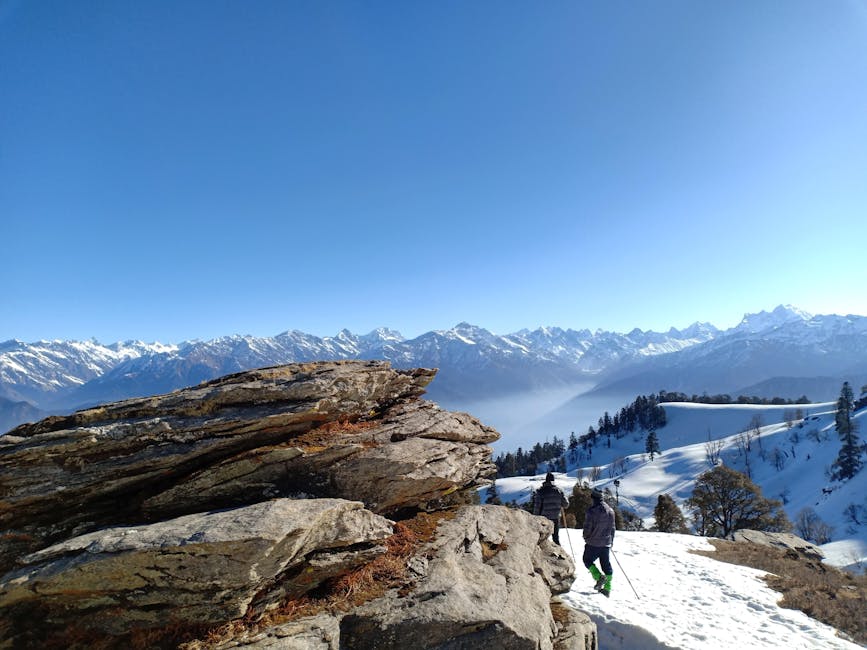
The Drakensberg Mountains form a natural border between South Africa and Lesotho. The Grand Traverse is a 200-kilometer route that follows the escarpment, offering sweeping views, rock art sites, and alpine grasslands.
This trek is less crowded than Himalayan routes but equally rewarding. Trekkers can camp in designated sites or stay in mountain huts. Wildlife includes eland, baboons, and bearded vultures.
Best time: April to September. Winter brings snow at higher elevations, which can make navigation difficult. A GPS and map are essential due to limited signage.
8. The Milford Track, New Zealand
Often called “the finest walk in the world,” the Milford Track is a 53.5-kilometer journey through Fiordland National Park. The 4-day trek takes you from Te Anau to Milford Sound, passing waterfalls, rainforests, and mountain peaks.
Highlights include Sutherland Falls, one of the world’s tallest waterfalls, and Mackay Falls. The track is well-maintained, with huts and guided options available.
Bookings are required year-round due to limited capacity. The best weather is from November to April. Rain is common—pack waterproof gear and quick-dry clothing.
9. The Laugavegur Trail, Iceland
The Laugavegur Trail is a 55-kilometer trek through Iceland’s otherworldly landscapes. Starting near Landmannalaugar and ending at Þórsmörk, the route features rhyolite mountains, geothermal areas, black sand deserts, and glacial rivers.
The trail takes 4–5 days and is best hiked from late June to early September. Huts are available, but reservations are essential. River crossings are required—use trekking poles and check water levels.
Iceland’s weather is unpredictable. Even in summer, temperatures can drop below freezing at night. Layering and a good sleeping bag are crucial.
10. The Huayhuash Circuit, Peru
The Cordillera Huayhuash in Peru is a lesser-known but spectacular alternative to the Andes’ more famous ranges. The 120-kilometer circuit takes 10–14 days and offers close-up views of 6,000-meter peaks, glacial lakes, and remote valleys.
This trek is remote and challenging, with few services and high altitudes. Most travelers hire mules and guides. The route is less crowded than the Inca Trail, offering solitude and raw beauty.
Best time: May to September. Acclimatization in Huaraz is recommended before starting. The trail is not recommended for beginners.
Essential Gear for Adventure Trekking
Footwear and Clothing
Invest in high-quality, broken-in hiking boots with ankle support and good grip. Avoid new boots on long treks—blisters can ruin a trip. Wear moisture-wicking base layers, insulating mid-layers, and a waterproof outer shell.
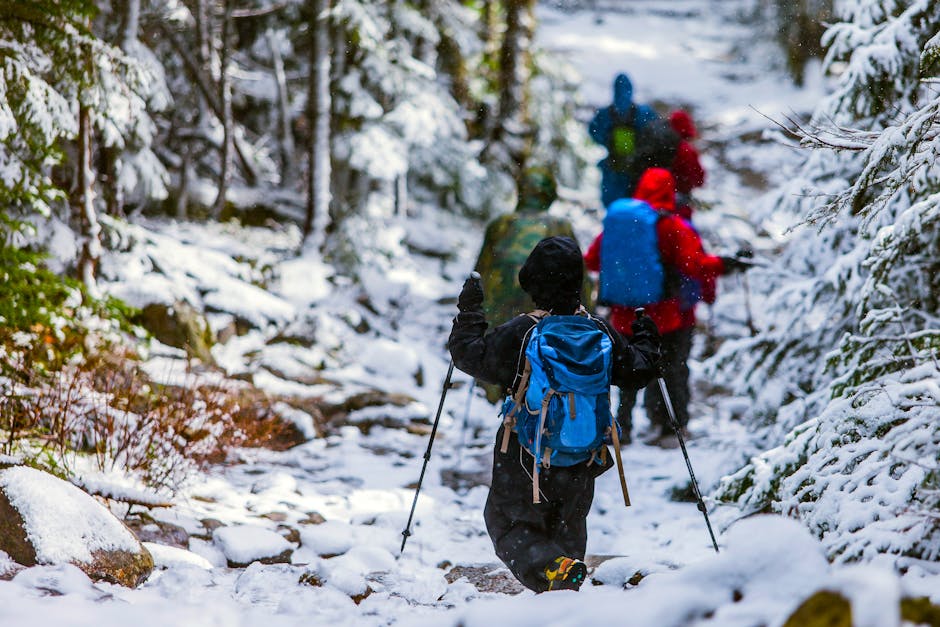
Pack extra socks and consider liner socks to reduce friction. Gaiters can help keep debris out of your boots in muddy or snowy conditions.
Backpack and Shelter
A 50–70 liter backpack is ideal for multi-day treks. Look for one with a comfortable hip belt, adjustable straps, and external attachment points. A rain cover is essential.
If camping, choose a lightweight, four-season tent rated for wind and snow. A sleeping bag rated for the expected temperatures and a compact sleeping pad will improve comfort and insulation.
Navigation and Safety
Always carry a detailed map, compass, and GPS device. Download offline maps on your phone, but don’t rely solely on electronics. A headlamp with extra batteries is crucial for early starts or late arrivals.
Pack a basic first aid kit, including blister treatment, pain relievers, and any personal medications. A satellite communicator or personal locator beacon (PLB) is recommended for remote areas.
Responsible Trekking: Leave No Trace
Trekking in pristine environments comes with responsibility. Follow the Leave No Trace principles: pack out all trash, stay on marked trails, and avoid disturbing wildlife.
Use established campsites and avoid cutting switchbacks, which cause erosion. Respect local cultures—ask before taking photos of people or entering sacred sites.
Support local economies by hiring local guides, buying food from village shops, and tipping porters fairly. Many trekking regions rely on tourism for income.
Final Tips for a Successful Trek
Start training at least 8–12 weeks before your trek. Focus on cardio, strength, and hiking with a loaded pack. Practice on varied terrain to build confidence.
Test all gear before departure. A malfunctioning stove or leaking water filter can become a major issue in remote areas.
Stay hydrated and eat enough calories. High-altitude trekking burns energy quickly. Carry high-calorie snacks like nuts, dried fruit, and energy bars.
Listen to your body. Altitude sickness, fatigue, and injury are serious risks. Descend if symptoms worsen—pushing too hard can be dangerous.
FAQ
What is the best time of year to go trekking in the Himalayas?
The best time is during the pre-monsoon (March to May) and post-monsoon (October to November) seasons. These periods offer stable weather, clear skies, and minimal rainfall.
Do I need a guide for trekking in Nepal?
While not required for all routes, a guide is mandatory for certain treks like the Annapurna Circuit and Everest Base Camp. Guides enhance safety, provide cultural insight, and help with logistics.
How much does it cost to trek to Machu Picchu?
The Inca Trail typically costs between $600 and $1,200 per person, including permits, guide, porter, meals, and transport. Prices vary by operator and group size. Book early—permits sell out months in advance.