
Useful Destination Guide to Vienna for Artful Escapes
Vienna is a city where art isn’t confined to museums—it flows through grand boulevards, ornate coffeehouses, and centuries-old palaces. If you’re seeking a culturally rich getaway that blends imperial elegance with modern creativity, this guide offers a practical roadmap. From world-class galleries to hidden ateliers, Vienna rewards those who wander with intention. Whether you’re a first-time visitor or returning for deeper exploration, this destination guide highlights the best ways to experience Vienna’s artistic soul—without the tourist fatigue.
Why Vienna for Art Lovers?
Vienna has long been a cradle of artistic innovation. It was home to Gustav Klimt, Egon Schiele, and Oskar Kokoschka, and today continues to nurture contemporary voices. The city’s museums, galleries, and public spaces reflect a layered history—from Baroque grandeur to Secessionist rebellion and postwar experimentation.
Unlike cities where art feels commercialized, Vienna maintains an authentic, lived-in cultural rhythm. You’ll find artists sketching in parks, experimental theater in converted warehouses, and classical music drifting from open windows. This isn’t performance—it’s daily life.
For travelers, that means access to both iconic masterpieces and intimate, offbeat experiences. You can spend a morning at the Kunsthistorisches Museum and an afternoon in a neighborhood studio where a local painter discusses color theory over espresso.
Top Art Institutions to Visit
Kunsthistorisches Museum (KHM)
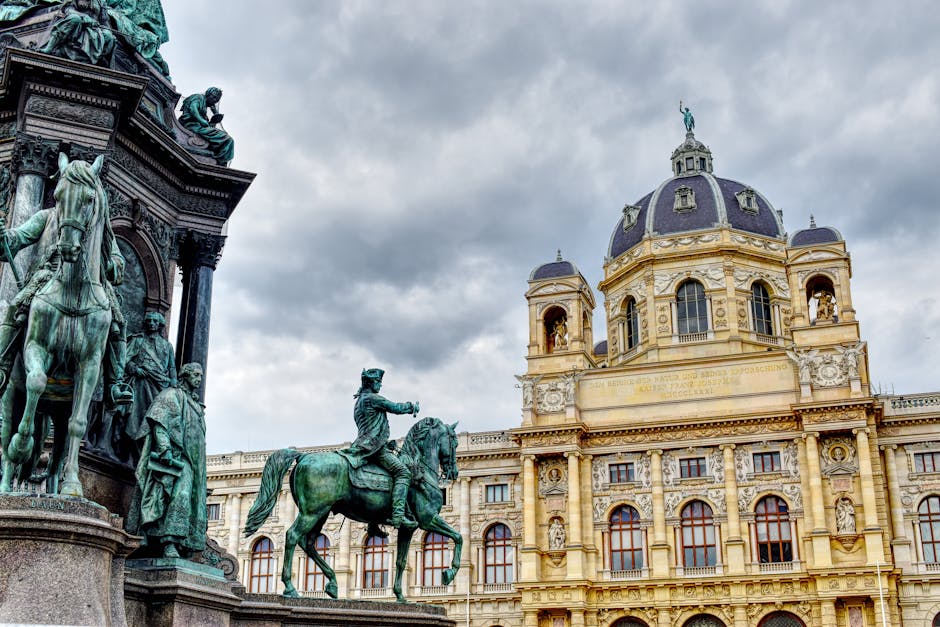
The Kunsthistorisches Museum houses one of Europe’s finest art collections, built from the Habsburgs’ private holdings. Highlights include works by Bruegel, Rubens, and Velázquez. Don’t miss Bruegel’s The Tower of Babel—a detailed, almost architectural depiction of human ambition.
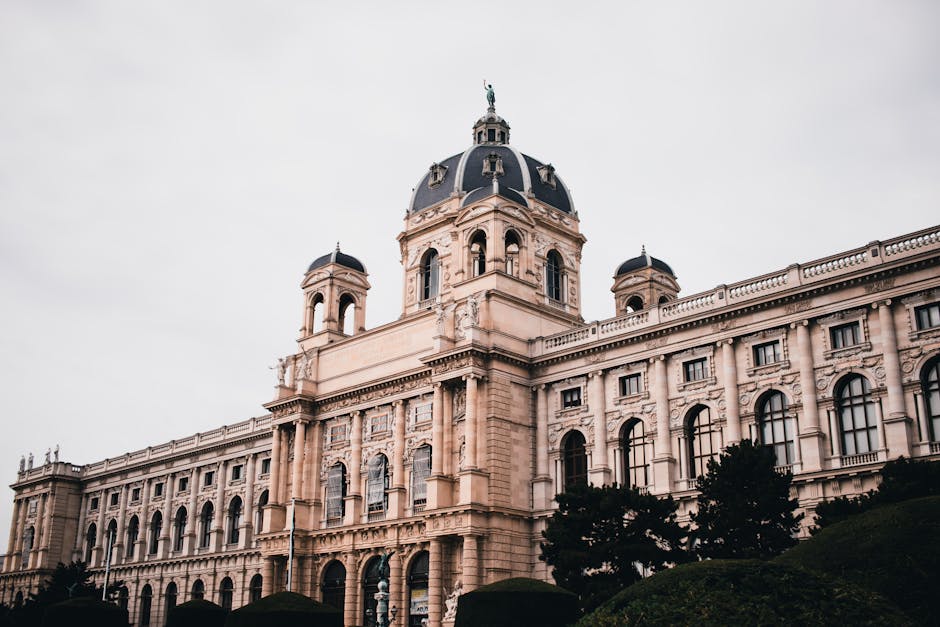
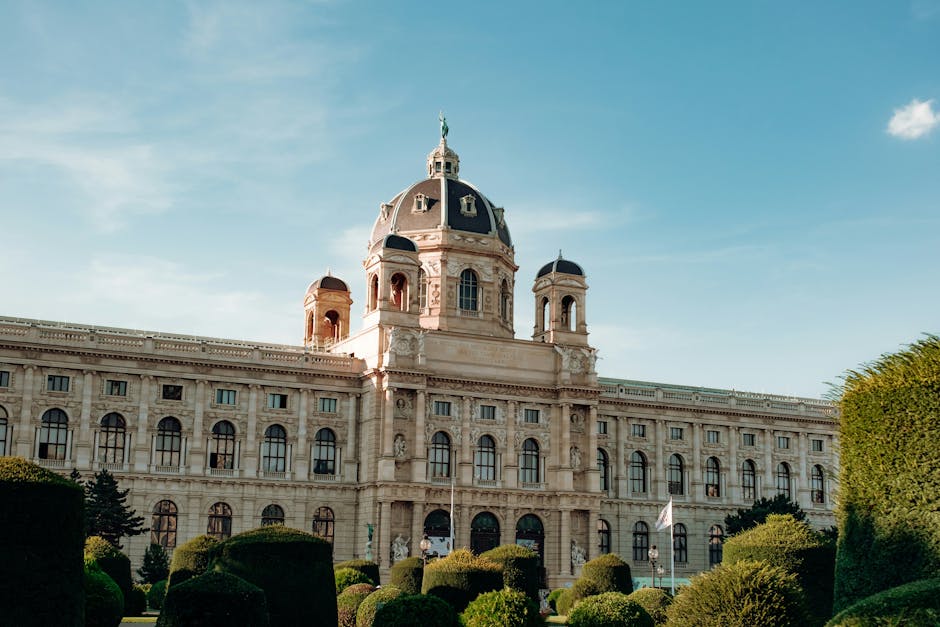
The museum’s architecture is equally impressive. Designed in the 1890s, its dome and marble staircases evoke imperial grandeur. Allow at least three hours to explore. Tickets are valid for both KHM and the nearby Naturhistorisches Museum, so plan accordingly.
Belvedere Palace
The Belvedere complex consists of two Baroque palaces and stunning gardens. It’s best known for its extensive collection of Gustav Klimt, including The Kiss and Judith and the Head of Holofernes. These works capture the tension between sensuality and symbolism that defined the Vienna Secession.
The Upper Belvedere offers panoramic city views, while the Lower Belvedere features temporary exhibitions. Visit in the late afternoon when the golden light enhances the gilded interiors. Audio guides are informative, but the printed map helps avoid crowd bottlenecks.
Leopold Museum
Located in the MuseumsQuartier, the Leopold Museum focuses on Austrian modern art, particularly the works of Egon Schiele and his contemporaries. Schiele’s raw, expressive figures—often unsettling in their honesty—reveal a radical break from tradition.
The museum also holds the world’s largest collection of Adolf Loos’s architectural drawings. Loos, a critic of ornamentation, influenced modernist design globally. His essay “Ornament and Crime” is displayed near the entrance—worth reading before exploring the galleries.
MUMOK (Museum Moderner Kunst)
MUMOK showcases post-1945 art, from pop art to conceptual installations. Works by Warhol, Beuys, and Baselitz anchor the collection, but rotating exhibits keep the experience fresh. The building itself—a striking cube of black basalt—is a statement in minimalist architecture.
Check the schedule for artist talks or film screenings. These events often provide context that deepens appreciation of the art. The museum café, with its floor-to-ceiling windows, is a quiet spot to reflect after viewing emotionally charged pieces.
Hidden Gems for the Discerning Traveler
Kunsthalle Wien
Unlike traditional museums, Kunsthalle Wien focuses on experimental and time-based art. Exhibitions change frequently, so repeat visits reveal new perspectives. Past shows have explored digital identity, migration, and climate anxiety through immersive installations.
It’s smaller than MUMOK but more daring. If you enjoy art that challenges rather than comforts, this is a must. Located near Karlsplatz, it’s easily accessible by U-Bahn.
Atelier Augarten
This porcelain manufactory has operated since 1744 and offers guided tours of its working studios. Watch artisans paint delicate floral motifs by hand—a craft nearly lost to industrialization. The on-site gallery sells limited-edition pieces, but even browsing is a visual treat.
Visits are by appointment only, so book at least a week in advance. The tour includes a demonstration of the gilding process, which uses real gold leaf. It’s a rare glimpse into a vanishing art form.
Zacherlfabrik
Tucked in a quiet courtyard near Naschmarkt, this former chemical factory now houses artist studios and a small gallery. The space retains its industrial bones—exposed brick, metal beams—creating a raw backdrop for contemporary work.
Open studios occur on the first Saturday of each month. You can meet painters, sculptors, and textile artists at work. Many sell directly, often at lower prices than gallery-marked works. Bring cash, as card payments aren’t always available.
Art Walks and Neighborhood Exploration
The Ringstraße Circuit
The Ringstraße, Vienna’s grand circular boulevard, is lined with architectural masterpieces. Start at the State Opera, then walk past the Burgtheater, Parliament, and City Hall. Each building reflects a different style—Neo-Renaissance, Neo-Gothic, and Neo-Baroque—showcasing 19th-century eclecticism.
Take a detour into the Volksgarten, where the Theseus Temple houses a replica of the Aphrodite of Knidos. The original is in Naples, but the setting—surrounded by roses—adds poetic resonance.
The MuseumsQuartier Stroll
The MuseumsQuartier (MQ) is one of Europe’s largest cultural complexes. Beyond the Leopold and MUMOK, it includes Kunsthalle Wien, the Zoom Children’s Museum, and outdoor art installations. The courtyards are filled with cafés, bookshops, and pop-up exhibitions.
On weekends, local artists set up easels near the MQ entrance. You can commission a portrait or simply observe technique. The atmosphere is relaxed—no pressure to buy, just to engage.
The Danube Canal Path
Less formal than the Ring, the Danube Canal is where street art thrives. Graffiti murals stretch for blocks, many commissioned by the city to support urban renewal. Look for works by local artists like Nychos, known for his anatomical animal dissections.
Rent a bike or walk from Schwedenplatz to the Freudenau harbor. Along the way, you’ll pass pop-up galleries, floating bars, and the famous “Hundertwasserhaus”—a colorful, undulating apartment building designed by Friedensreich Hundertwasser.
Art Events and Festivals
Vienna Art Week
Held each November, Vienna Art Week brings together galleries, museums, and independent artists for a citywide celebration. Special exhibitions, artist talks, and studio visits are open to the public. Many events are free or discounted.
Check the official program early—popular talks fill quickly. The week culminates in a night tour where galleries stay open late, often with live music and wine. It’s a rare chance to see Vienna’s art scene in full swing.
Wiener Festwochen
Though primarily a performing arts festival, Wiener Festwochen includes visual art components, especially in its experimental programming. Past editions have featured site-specific installations in public squares and collaborations between dancers and painters.
The festival runs from May to June. Tickets go on sale months in advance, so sign up for alerts. Even if you miss the main events, the fringe activities—like open rehearsals and artist meetups—are worth seeking out.
Long Night of Museums
On one Saturday each October, over 100 museums open late, often until midnight. For a single ticket (around €18), you gain access to all participating venues. Many offer themed tours, live performances, and interactive workshops.
Start at a major museum like the Belvedere, then hop to smaller spaces like the Sigmund Freud Museum. The atmosphere is festive—locals treat it like a cultural holiday. Arrive early to avoid lines, and wear comfortable shoes.
Practical Tips for Art-Focused Travel
When to Visit
Spring (April–May) and fall (September–October) offer mild weather and fewer crowds. Summer is peak tourist season, but many locals leave the city, so galleries may have shorter hours. Winter is quiet, with shorter days but cozy museum visits and holiday markets.
Avoid major holidays like Easter and Christmas if you prefer solitude. Many institutions close or operate on reduced schedules.
Getting Around
Vienna’s public transport is efficient and affordable. A 72-hour transit pass (around €18) covers U-Bahn, trams, and buses. Most museums are within a 15-minute ride of the city center.
Walking is ideal for exploring neighborhoods like Josefstadt or Landstraße. Wear supportive shoes—cobblestones can be uneven. Taxis and ride-shares are available but unnecessary for most routes.
Museum Passes and Discounts
The Vienna Pass includes entry to over 60 attractions, including the Belvedere, KHM, and Schönbrunn Palace. It also offers skip-the-line access. At €79 for three days, it’s cost-effective only if you plan to visit multiple paid sites.
Students, seniors, and EU residents under 26 often receive discounts. Always carry ID. Some museums offer free admission on the first Sunday of the month—check individual websites.
Dining with a View
Art and cuisine intertwine in Vienna. Café Sperl, a 19th-century coffeehouse, has hosted writers and painters for over a century. Its marble tables and ceiling fans evoke old-world charm. Try the Einspänner—a strong coffee with whipped cream.
For a modern twist, visit Do & Co on the top floor of Haas House. The restaurant overlooks St. Stephen’s Cathedral and serves Austrian dishes with a contemporary edge. Reservations are essential.
Shopping for Art
Avoid mass-produced souvenirs. Instead, support local artists at places like the MQ’s Design Shop or the Kunsthalle Wien Store. They carry prints, books, and limited-edition objects.
For vintage finds, browse the flea market at Karmelitermarkt every Saturday. You might uncover original sketches, mid-century posters, or art books at low prices. Haggling is uncommon, but cash is preferred.
Common Pitfalls to Avoid
Don’t try to see everything in one trip. Vienna’s art scene is deep, not wide. Prioritize two or three institutions per day, with time to wander and reflect. Rushing leads to fatigue and diluted appreciation.
Avoid visiting major museums on weekends, when locals flock to popular exhibits. Weekday mornings are quieter. Also, check for temporary closures—some galleries rotate exhibitions monthly.
Don’t assume all art is in English. While major museums offer multilingual guides, smaller studios may not. Download translation apps or carry a phrasebook. A simple “Können Sie das erklären?” (Can you explain this?) goes a long way.
Final Thoughts
Vienna rewards those who approach it with curiosity and patience. Its art isn’t just displayed—it’s woven into the city’s fabric. Whether you’re standing before Klimt’s gilded figures or chatting with a printmaker in a back-alley studio, you’re participating in a living tradition.
Use this guide to plan a trip that balances the iconic with the intimate. Let the city reveal itself slowly. And remember: the best art experiences often happen off the map.
FAQ
What’s the best time of year to visit Vienna for art events?
Spring and fall offer the best balance of good weather, fewer crowds, and active cultural programming. Vienna Art Week in November and the Long Night of Museums in October are highlights.
Do I need to speak German to enjoy Vienna’s art scene?
No. Major museums provide English audio guides and signage. In galleries and studios, staff often speak basic English. Learning a few German phrases enhances interactions but isn’t required.
Are there free art experiences in Vienna?
Yes. Many public spaces feature sculptures and installations. The Danube Canal’s street art, MQ’s outdoor exhibits, and free admission days at select museums offer rich experiences without cost.