
Top Adventure Travel Ideas for Scenic Valley Hikes
Looking for unforgettable adventure travel ideas that combine breathtaking scenery with rewarding hikes? Scenic valley hikes offer some of the world’s most immersive outdoor experiences, blending natural beauty, physical challenge, and cultural discovery. From lush alpine meadows to dramatic river canyons, these trails provide more than just exercise—they deliver lasting memories. Whether you’re a seasoned trekker or a weekend explorer, there’s a valley hike suited to your pace and passion.
This guide highlights seven of the most spectacular valley hikes across diverse landscapes and continents. Each destination is chosen for its unique terrain, accessibility, and visual impact. You’ll find practical tips on preparation, seasonal considerations, and what to expect on the trail. By the end, you’ll have a clear roadmap to plan your next scenic adventure.
Why Valley Hikes Stand Out in Adventure Travel
Valleys offer a distinct hiking advantage: they often serve as natural corridors through otherwise rugged terrain. This makes them accessible while still delivering dramatic elevation changes and varied ecosystems. Unlike mountain summits that require technical climbing, valley trails frequently allow hikers to cover significant ground with moderate effort.
Another benefit is the layered scenery. You’ll typically move through forests, open meadows, riverbanks, and rocky outcrops—all within a single day’s hike. Wildlife sightings are more common in valleys due to water sources and shelter. Plus, many valleys are home to remote villages or historic trails, adding cultural depth to the journey.
Essential Preparation for Scenic Valley Hikes
Proper planning is the foundation of a safe and enjoyable hike. Start by researching trail conditions, elevation gain, and estimated duration. Most scenic valley hikes range from 5 to 15 miles round-trip, with elevation gains between 1,000 and 3,000 feet. Check recent trail reports for mud, snow, or washouts that could affect your route.
Pack the ten essentials: navigation tools, sun protection, insulation, illumination, first-aid supplies, fire starter, repair kit, food, water, and emergency shelter. Even on well-marked trails, weather can shift quickly in mountain valleys. A sudden downpour or temperature drop is common, especially above 7,000 feet.
Footwear and Gear
Invest in sturdy, broken-in hiking boots with ankle support and aggressive tread. Valley trails often include river crossings, loose scree, and muddy sections. Waterproof boots are helpful but not essential—quick-drying trail runners work well in dry conditions and dry faster if soaked.
Use trekking poles on descents to reduce knee strain. A lightweight daypack with a hydration system keeps water accessible. Layer clothing to adapt to changing conditions: a moisture-wicking base, insulating mid-layer, and waterproof outer shell.
Permits and Regulations
Many popular valleys require permits, especially in national parks or protected areas. For example, the Enchantments in Washington State uses a lottery system for overnight access. Day-use permits may be needed in places like Yosemite’s Yosemite Valley or Zion’s Narrows.
Always follow Leave No Trace principles. Pack out all trash, stay on designated trails, and avoid disturbing wildlife. Some valleys restrict camping or campfires—check local rules before heading out.
Top 7 Scenic Valley Hikes Around the World
1. Yosemite Valley Loop – California, USA
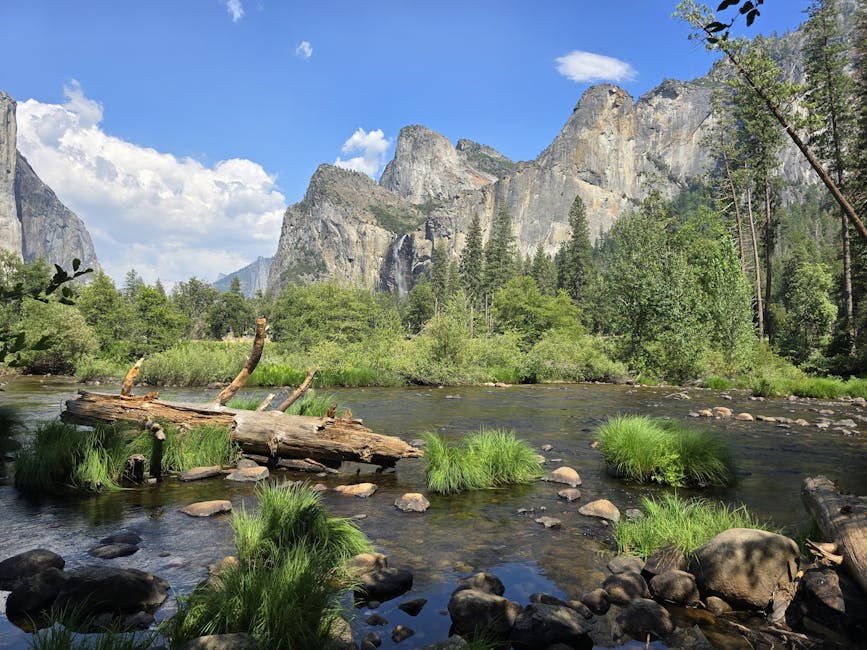
This 12-mile loop traces the heart of Yosemite National Park, passing iconic landmarks like El Capitan, Half Dome, and Bridalveil Fall. The trail is mostly flat, making it accessible for most hikers, with optional detours to Mirror Lake or Sentinel Beach.
Best visited in late spring when waterfalls peak from snowmelt. Summer brings crowds, so start early. Winter offers solitude and snow-dusted cliffs, but some sections may be icy. Shuttle buses reduce parking stress, and restrooms are available at key points.
2. Lauterbrunnen Valley – Switzerland
Nestled in the Swiss Alps, Lauterbrunnen is framed by 72 waterfalls and sheer limestone cliffs. The valley floor trail connects villages like Wengen and Mürren, with views of the Eiger, Mönch, and Jungfrau peaks.
Hike in summer for wildflowers and open trails. The region is car-free, so access is by train—ideal for combining hiking with scenic rail rides. Pack layers; mountain weather changes fast. The trail is well-maintained, with mountain huts offering food and shelter.
3. Colchuck Lake Trail – Washington, USA
Located in the Cascade Range, this 8-mile round-trip hike climbs 2,200 feet to a glacial lake beneath Dragontail Peak. The valley starts in dense forest, then opens into alpine terrain with views of granite spires and turquoise water.
Aim for July through September when snow has melted. The final mile is steep and rocky—trekking poles help. No permit is needed for day use, but parking fills by 7 a.m. on weekends. Wildlife, including mountain goats, is common.
4. Samaria Gorge – Crete, Greece
This 10-mile gorge hike in White Mountains National Park ends at the Libyan Sea. The trail descends from Omalos Plateau through narrow canyons, stone bridges, and riverbeds. It’s one of Europe’s most famous long-distance hikes.
Open May to October. Start early to avoid midday heat. Wear water shoes for river crossings. The final stretch to Agia Roumeli is steep but rewarded with sea views and beach access. Buses and ferries connect back to Chania.
5. Annapurna Sanctuary – Nepal
Reaching this high-altitude valley requires a multi-day trek from Pokhara, but the reward is a ring of 20,000-foot peaks surrounding a glacial basin. The sanctuary sits at 11,500 feet and is accessible via the Modi Khola Valley.
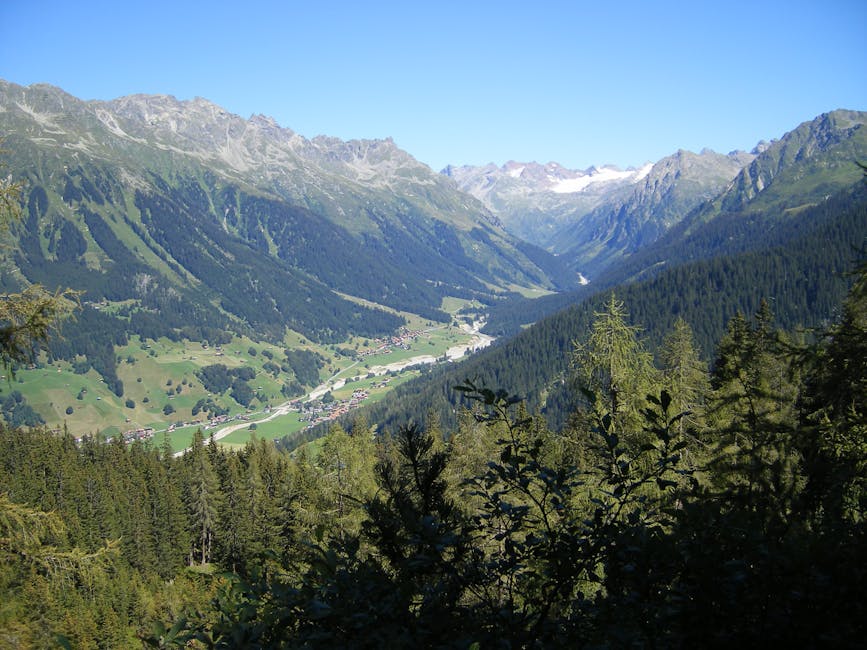
Best from October to November for clear skies. Acclimatize gradually—altitude sickness is a real risk. Porters and guides are recommended. The trail passes rhododendron forests, terraced farms, and Buddhist villages, offering rich cultural insight.
6. Milford Track – New Zealand
Often called “the finest walk in the world,” this 33-mile valley trek in Fiordland National Park runs from Te Anau to Milford Sound. It crosses suspension bridges, waterfalls, and rainforest, ending at Sutherland Falls—one of the world’s tallest.
Operated seasonally from October to April. Book well in advance—permits are limited. Guided and independent options exist. Pack for rain; Fiordland is one of the wettest places on Earth. Waterproof gear is non-negotiable.
7. Quebrada de Humahuaca – Argentina
This UNESCO-listed valley in northern Argentina features multicolored rock formations, ancient pucarás (fortresses), and indigenous Quechua communities. The trail follows the Río Grande through towns like Purmamarca and Humahuaca.
Hike in spring or fall for mild temperatures. The high desert climate means intense sun and cool nights. Bring sun protection and warm layers. The trail is unpaved in parts—sturdy shoes are essential. Local markets offer fresh empanadas and handmade crafts.
Seasonal Considerations for Valley Hiking
Timing your hike correctly can make the difference between a magical experience and a miserable one. In temperate zones, late spring and early fall offer the best balance of weather and scenery. Wildflowers bloom in May and June, while autumn brings golden foliage.
In tropical regions, avoid monsoon seasons. For example, the dry months in Nepal (October–November) provide clear views and stable trails. In contrast, Southeast Asian valleys like those in Thailand are best hiked November to February.
High-altitude valleys may remain snow-covered into June. Check snowpack reports before heading out. Early morning starts help avoid afternoon thunderstorms common in mountain regions. Always monitor local weather forecasts.
Safety Tips for Remote Valley Trails
Even on well-known routes, valleys can feel isolating. Tell someone your itinerary and expected return time. Carry a fully charged phone, but don’t rely on it—signal is often unavailable in deep canyons.
A personal locator beacon (PLB) or satellite messenger is wise for multi-day hikes. Know basic first aid, especially for sprains and hypothermia. If lost, stay put, conserve energy, and make yourself visible.
Watch for wildlife. In North America, bear spray is recommended in grizzly country. In Africa and parts of Asia, avoid hiking at dawn or dusk when predators are active. Make noise on blind corners to avoid surprising animals.
Maximizing the Experience: What to Bring and What to Expect
Beyond gear, bring curiosity and patience. Valley hikes are as much about observation as movement. Stop to watch eagles soar, listen to river sounds, or photograph wildflowers. A small journal or camera enhances the experience.
Expect variable conditions. A trail that’s dry in the morning may flood after rain. River levels rise quickly in valleys due to upstream storms. Always test water depth before crossing—use a stick for stability.
Respect local cultures. In valleys with indigenous communities, ask before photographing people or entering sacred sites. Learn a few words of the local language. A simple greeting goes a long way.
Eco-Friendly Adventure Travel Practices
Scenic valleys are fragile ecosystems. Minimize your impact by packing out all waste, including biodegradable items like fruit peels. Use established campsites and avoid trampling vegetation.
Support local economies by hiring local guides, buying regional products, and staying in community-run lodges. This ensures tourism benefits residents and encourages conservation.
Avoid single-use plastics. Carry a reusable water bottle and filter. Many valleys have clean streams, but always treat water to prevent giardia or other parasites.
Frequently Asked Questions
What is the best time of year for valley hiking?
The ideal season varies by region. In temperate zones, late spring to early fall offers the best weather. In tropical areas, dry months (often November to March) are safest. Always check local conditions before traveling.
Do I need a guide for scenic valley hikes?
Not always. Well-marked trails like Yosemite Valley or Lauterbrunnen can be done independently. However, remote or high-altitude valleys—such as the Annapurna Sanctuary—benefit from a local guide for navigation, safety, and cultural insight.
How difficult are most scenic valley hikes?
Difficulty ranges from easy to strenuous. Many valley trails are moderate, with steady climbs and clear paths. Always review elevation gain, distance, and terrain before choosing a hike. Start with shorter routes if you’re new to backpacking.