
Top Food and Culinary Travel Spots in Asia for Foodies
Asia is a paradise for food lovers, offering an unmatched diversity of flavors, techniques, and traditions. From bustling street markets to Michelin-starred restaurants, the continent serves up unforgettable culinary experiences. Whether you’re craving spicy curries, delicate sushi, or smoky grilled skewers, Asia delivers. This guide highlights the top food and culinary travel spots in Asia for foodies, helping you plan a trip centered around flavor, culture, and authentic local tastes.
Why Asia Is a Culinary Destination
Asia’s food culture is deeply rooted in history, geography, and daily life. Each country has developed unique dishes shaped by climate, religion, trade, and migration. Rice, noodles, spices, and fermentation are common threads, but preparation and presentation vary widely.
Street food is a major draw. In cities like Bangkok and Hanoi, meals are cooked fresh on sidewalks, offering bold flavors at low prices. At the same time, fine dining scenes in Tokyo and Singapore rival those of Paris or New York.
For travelers, food is a gateway to understanding local customs. Sharing a meal often means sharing stories, traditions, and a sense of community. That’s what makes culinary travel in Asia so rewarding.
Tokyo, Japan: A Global Food Capital
Tokyo holds more Michelin stars than any other city in the world. But its real strength lies in consistency—even a simple bowl of ramen can be a masterpiece.
The city blends tradition and innovation. Visit Tsukiji Outer Market for fresh sushi and grilled seafood. Try tonkatsu at a standing counter in Ginza or sample matcha desserts in Asakusa.
Must-Try Dishes in Tokyo
Start with sushi at a conveyor belt or high-end sushi-ya. Look for seasonal fish like sea bream or fatty tuna. Ramen varies by neighborhood—Shoyu in Shibuya, miso in Sapporo-style shops, tonkotsu in Shinjuku.
Don’t miss tempura, especially at places like Tenmatsu or Daikokuya. For something unique, try monjayaki in Tsukishima—a savory pancake cooked on a hot plate.
Best Food Neighborhoods
Shibuya and Shinjuku offer endless dining options, from izakayas to ramen alleys. Asakusa is ideal for traditional sweets and temple-side snacks. For a quieter experience, head to Kagurazaka, known for French-Japanese fusion and hidden tea houses.
Always arrive early at popular spots. Many small restaurants have limited seating and long lines by noon.
Bangkok, Thailand: Street Food Heaven
Bangkok is legendary for its street food. The city has over 50,000 food vendors, many operating from tiny carts. The flavors are bold—spicy, sour, sweet, and salty in perfect balance.
Start your day with jok (rice porridge) or khao man gai (chicken rice). By evening, the streets come alive with pad Thai, som tam (papaya salad), and mango sticky rice.
Where to Eat in Bangkok
Chatuchak Weekend Market offers everything from grilled pork skewers to coconut ice cream. For a more structured experience, visit Yaowarat (Chinatown) at night—famous for seafood, bird’s nest soup, and crispy pork belly.
Khao San Road is touristy but convenient for trying multiple dishes quickly. For authenticity, explore local neighborhoods like Bang Rak or Phra Nakhon.
Tips for Street Food Safety
Choose stalls with high turnover—food is fresher and safer. Look for busy locals; they know the best spots. Avoid raw vegetables and unpeeled fruits if you’re concerned about water quality.
Carry hand sanitizer and drink bottled water. Most vendors use clean cooking methods, but it’s wise to stay cautious.
Seoul, South Korea: Bold Flavors and Fermented Delights
Korean cuisine is all about fermentation, spice, and communal eating. Kimchi, gochujang, and doenjang form the backbone of many dishes. Meals often include multiple side dishes (banchan) served with rice.
Seoul offers both street snacks and sit-down meals. Try tteokbokki (spicy rice cakes), hotteok (sweet pancakes), and odeng (fish cake skewers) at street markets.
Must-Eat Korean Dishes
Bibimbap is a colorful mix of rice, vegetables, meat, and egg, topped with gochujang. Best enjoyed at traditional restaurants like Gogung in Insadong.
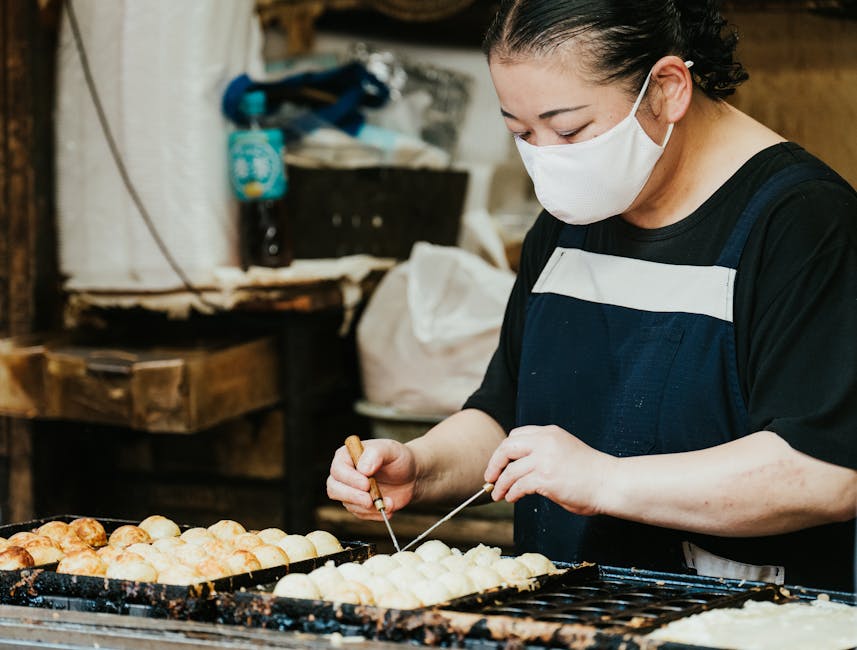
Samgyeopsal (grilled pork belly) is a social favorite. Order at a meat-focused restaurant, grill it yourself, and wrap it in lettuce with garlic and ssamjang.
For something adventurous, try gaejang-guk (raw crab in spicy sauce) or haejangguk (hangover soup) in winter.
Best Food Areas in Seoul
Myeongdong is great for street food and snacks. Namdaemun Market offers affordable banchan and soups. Insadong has traditional tea houses and hanok-style eateries.
Hongdae is popular with students and offers trendy fusion food. For late-night eats, head to Dongdaemun, where food stalls stay open past midnight.
Singapore: A Melting Pot of Flavors
Singapore’s food scene reflects its multicultural roots—Chinese, Malay, Indian, and Peranakan influences blend seamlessly. Hawker centers are the heart of dining culture, offering affordable, high-quality meals.
Dishes like chili crab, Hainanese chicken rice, and laksa are national favorites. Many hawker stalls have earned Michelin recognition, proving that great food doesn’t need a fancy setting.
Top Hawker Centers
Maxwell Food Centre is famous for Tian Tian Hainanese Chicken Rice. Lau Pa Sat is iconic for satay and colonial architecture. Newton Food Centre is lively at night, with seafood and barbecue.
For a modern twist, visit hawker centers in new developments like Jewel Changi Airport, where food is elevated without losing authenticity.
What to Try in Singapore
Start with chicken rice—steamed or roasted chicken with fragrant rice and chili sauce. Laksa, a coconut-based noodle soup, comes in curry or asam versions.
Roti prata (Indian flatbread) with curry is a breakfast staple. For dessert, try ice kachang, a shaved ice treat with sweet syrups and toppings.
Drink local favorites like teh tarik (pulled tea) or bandung (rose milk with condensed milk).
Hanoi, Vietnam: The Soul of Vietnamese Cuisine
Hanoi is considered the culinary capital of Vietnam. The food is lighter and more herb-focused than in the south, with a strong French influence.
Street food is central to daily life. Meals are often eaten on tiny plastic stools, with locals gathering around steaming bowls of pho or banh mi sandwiches.
Signature Dishes of Hanoi
Pho bo (beef pho) is a must. Look for clear broth, tender meat, and fresh herbs. Bun cha—grilled pork with noodles and dipping sauce—was popularized by Anthony Bourdain and remains a favorite.
Banh cuon (steamed rice rolls) are delicate and filled with minced pork and mushrooms. Eat them with fish sauce and crispy fried shallots.
For breakfast, try xoi (sticky rice) with mung beans, chicken, or Chinese sausage.
Where to Eat in Hanoi
Old Quarter is the best place to start. Streets like Hang Quat and Bat Dan have generations-old food stalls. Try egg coffee at Cafe Giang—a Hanoi invention made with whipped egg yolk and condensed milk.
Hoan Kiem Lake area has cafes and restaurants with lake views. For a quieter meal, visit West Lake, where you’ll find upscale Vietnamese dining.
Avoid overly touristy spots near major attractions. Walk a few blocks away to find authentic, local eateries.
Mumbai, India: Spices, Street Food, and Regional Diversity
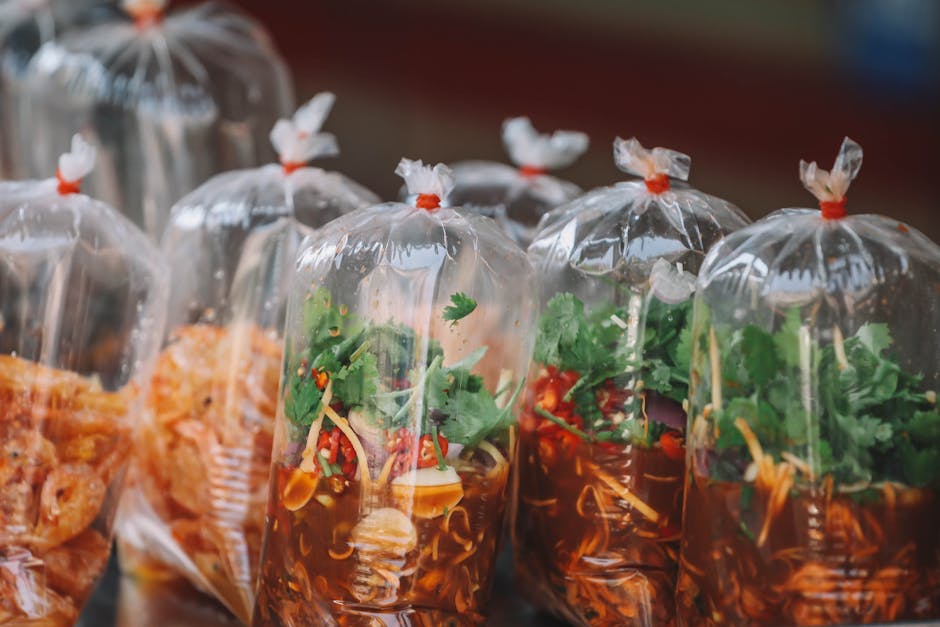
Mumbai is a city of contrasts—luxury dining and humble street food coexist. The food scene is shaped by its coastal location, diverse communities, and colonial history.
Street food is affordable and abundant. Vada pav (spiced potato fritter in a bun), pav bhaji (vegetable mash with bread), and pani puri (crispy shells with flavored water) are iconic.
Must-Try Mumbai Foods
Start with misal pav—a spicy curry made from sprouted beans, served with bread. It’s a Maharashtrian specialty, best eaten for breakfast.
Bhel puri is a tangy, crunchy snack made with puffed rice, vegetables, and chutneys. Found at beach stalls like Chowpatty.
For non-vegetarian options, try kebabs at Mohammad Ali Road during Ramadan or seafood at Sassoon Dock.
Best Food Neighborhoods
Colaba and Fort have cafes, Irani restaurants, and fine dining. Mohammed Ali Road comes alive at night with biryani and haleem.
For a local experience, visit Dadar or Matunga, where Marathi and South Indian communities thrive. Try idli, dosa, or sabudana vada.
Be cautious with water and ice. Stick to bottled drinks and freshly cooked food.
Taipei, Taiwan: Night Markets and Nightly Delights
Taipei’s night markets are a food lover’s dream. Shilin, Raohe, and Ningxia are the most famous, offering everything from stinky tofu to bubble tea.
Taiwanese cuisine blends Chinese, Japanese, and indigenous influences. Street food is affordable, flavorful, and deeply satisfying.
Top Taiwanese Street Foods
Beef noodle soup is a national dish—rich broth, tender meat, and hand-pulled noodles. Try it at Yongkang Street or Jin Feng Beef Noodle.
Oyster omelets are made with eggs, oysters, and sweet potato starch, topped with tangy sauce. Found at most night markets.
Taiwanese fried chicken is crispy and juicy, often seasoned with five-spice powder. Pair it with a bubble tea from Chun Shui Tang or Gong Cha.
Where to Eat in Taipei
Shilin Night Market is the largest, with over 500 vendors. Raohe Street Night Market is known for pepper buns and grilled squid. Ningxia specializes in traditional snacks like oyster vermicelli.
For breakfast, visit Yongkang Street for xiaolongbao (soup dumplings) or dan bing (egg crepes).
Many night markets open around 5 PM. Arrive early to avoid the biggest crowds.
Kuala Lumpur, Malaysia: A Fusion of Tastes
Kuala Lumpur’s food scene is a blend of Malay, Chinese, and Indian flavors. The city is known for its open-air food courts and late-night dining culture.
Nasi lemak—coconut rice with anchovies, peanuts, egg, and sambal—is a national dish. It’s often eaten for breakfast but available all day.
Signature Malaysian Dishes
Char kway teow is a smoky stir-fried noodle dish with prawns, cockles, and bean sprouts. Best enjoyed at roadside stalls in Jalan Alor.
Roti canai is a flaky flatbread served with curry. Eat it at mamak stalls, often open 24 hours.
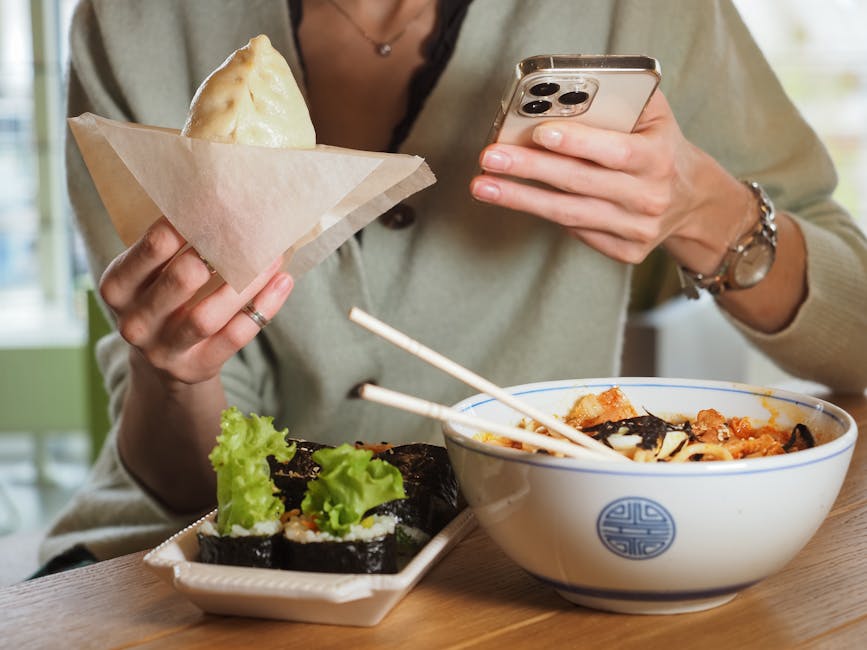
For dessert, try cendol—shaved ice with coconut milk, palm sugar, and green rice jelly.
Best Food Areas in Kuala Lumpur
Jalan Alor is the most famous food street, lined with restaurants and hawker stalls. Bukit Bintang has modern food courts and international cuisine.
Chinatown (Petaling Street) offers cheap eats and souvenirs. Brickfields is the Indian enclave, ideal for banana leaf meals and roti john.
Visit during lunch or dinner hours for the best selection. Some stalls close early or operate only at night.
How to Plan Your Culinary Travel Itinerary
Start by choosing 2–3 cities that offer diverse food experiences. Mix street food destinations with cities known for fine dining to balance your trip.
Research local food tours. Many cities offer guided walks that cover markets, cooking classes, and tastings. These provide context and access to hidden gems.
Sample Itinerary: 10-Day Food Trip in Asia
- Days 1–3: Tokyo – Sushi at Tsukiji, ramen in Shibuya, kaiseki dinner
- Days 4–6: Bangkok – Street food in Chinatown, boat noodles, mango sticky rice
- Days 7–10: Singapore – Hawker centers, chili crab, Peranakan cuisine
Allow time to rest and digest—literally. Overeating can lead to fatigue, especially in hot climates.
Pack light, comfortable clothing. Bring a reusable utensil kit to reduce waste and eat like a local.
Tips for Safe and Enjoyable Food Travel
Start with familiar flavors and gradually try new dishes. If you have allergies, learn key phrases in the local language to communicate safely.
Stay hydrated, especially in humid climates. Drink bottled or boiled water. Avoid ice in rural areas.
Respect local customs. In some cultures, eating with your hands is normal. In others, it’s polite to leave a small amount of food on your plate.
Don’t be afraid to ask locals for recommendations. They often know the best-kept secrets.
Final Thoughts
Asia’s food culture is as diverse as its landscapes. From the delicate flavors of Japanese kaiseki to the fiery spices of Indian street food, every bite tells a story.
Whether you’re a seasoned traveler or a first-time visitor, let your taste buds guide you. Explore markets, talk to vendors, and embrace the unexpected.
The best food experiences often happen off the beaten path. Stay curious, stay open-minded, and savor every moment.
FAQ
What are the safest street foods to try in Asia?
Choose foods that are cooked fresh and served hot, like grilled skewers, stir-fried noodles, or soups. Avoid raw vegetables, unpeeled fruits, and tap water. High-turnover stalls are usually safer because food doesn’t sit out long.
Do I need to speak the local language to enjoy food travel in Asia?
No, but learning a few food-related phrases helps. Pointing at menus, using translation apps, and following locals to popular stalls are effective strategies. Many vendors in tourist areas speak basic English.
How much should I budget for food in Asia?
Street food can cost as little as $1–$3 per meal. Mid-range restaurants range from $10–$30. Fine dining varies—Tokyo or Singapore can exceed $100 per person. Budget $20–$50 per day for food, depending on your travel style.