
Ultimate Food and Culinary Travel Guide to Tasty Cities
Looking for the best cities to explore through food? This ultimate food and culinary travel guide highlights top destinations where flavor, culture, and tradition collide. From street eats in Bangkok to fine dining in Paris, we spotlight the world’s most delicious cities—and how to make the most of your culinary journey. Whether you’re a first-time traveler or a seasoned foodie, these insights help you eat like a local, avoid tourist traps, and savor every bite.
Why Food Travel Matters
Food is more than sustenance—it’s a window into culture, history, and community. Traveling with a focus on cuisine allows you to connect deeply with a place. You’ll taste regional specialties, learn cooking techniques passed down through generations, and support local economies.
Unlike generic sightseeing, food travel is immersive. A meal at a family-run trattoria in Naples tells a story. A bowl of pho in Hanoi carries centuries of influence. These experiences stay with you long after the trip ends.
How to Plan a Food-Focused Trip
Start by choosing a destination known for its culinary scene. Research local dishes, peak food seasons, and dining customs. Consider timing your visit around food festivals or harvest periods for the freshest ingredients.
Book accommodations near central markets or food districts. Download offline maps and translation apps. Pack light, but bring a reusable utensil kit and a small notebook to jot down recipes or vendor names.
Step 1: Research Local Specialties
Every city has signature dishes. In Mexico City, seek out tlayudas and tlacoyos. In Osaka, try takoyaki and okonomiyaki. Make a list of must-try foods before you go.
Use trusted food blogs, local tourism boards, and apps like Google Maps or Yelp to find authentic spots. Avoid restaurants with menus in multiple languages and photos of dishes—these often cater to tourists.
Step 2: Talk to Locals
Ask hotel staff, shopkeepers, or fellow diners for recommendations. Locals know where the best meals are—often in unmarked alleys or humble stalls.
Join a food tour led by a local guide. These tours offer context, access to hidden gems, and safe sampling of street food. Look for small-group experiences with knowledgeable hosts.
Step 3: Respect Dining Etiquette
Dining customs vary widely. In Japan, slurping noodles is polite. In Italy, cappuccino is only for breakfast. In India, eating with your right hand is customary.
Learn a few basic phrases in the local language. Saying “thank you” or “delicious” in the native tongue goes a long way. Tipping practices also differ—research norms to avoid awkwardness.
Top 10 Tasty Cities for Food Travelers
These cities stand out for their diverse, high-quality, and deeply rooted food cultures. Each offers a unique culinary identity worth exploring.
1. Tokyo, Japan
Tokyo holds more Michelin stars than any other city. But its true magic lies in everyday eats: ramen shops, sushi counters, and izakayas.
Visit Tsukiji Outer Market for fresh seafood. Try conveyor-belt sushi for affordability and speed. Don’t miss monjayaki in Tsukishima—a savory pancake unique to Tokyo.
2. Bangkok, Thailand
Bangkok is a street food paradise. Vendors serve up pad thai, som tam, and mango sticky rice from early morning to late night.
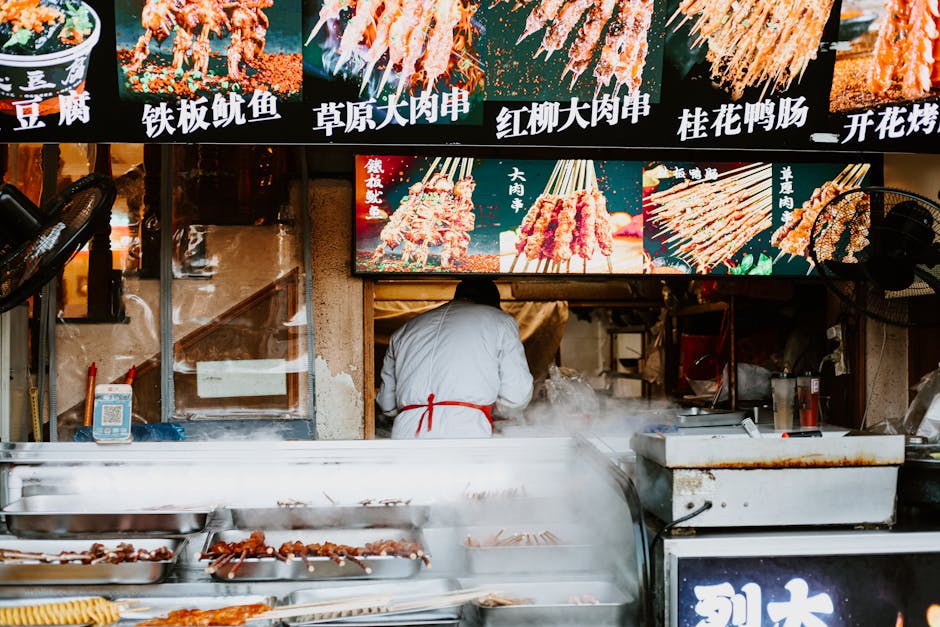
Explore Chinatown (Yaowarat) after dark. Try grilled squid, boat noodles, and Thai-style crispy pork belly. Use the BTS Skytrain to reach food hubs like Chatuchak Weekend Market.
3. Paris, France
Paris is synonymous with fine dining, but its boulangeries, fromageries, and cafés are equally essential.
Start with a fresh baguette and cheese from a local market. Visit Le Marais for falafel and Jewish pastries. For dessert, try a classic tarte tatin or éclair from a historic patisserie.
4. Mexico City, Mexico
This vibrant capital is a mecca for Mexican cuisine. From street tacos to complex moles, the flavors are bold and layered.
Head to Mercado de la Merced for tamales and fresh produce. Try carnitas at a local fondita. Don’t skip churros with thick hot chocolate for dipping.
5. Istanbul, Turkey
Istanbul blends European and Asian influences. Its food reflects centuries of trade and empire.
Sample simit (sesame bread rings), meze platters, and Turkish delight. Visit the Spice Bazaar for saffron, dried fruits, and lokum. Try a traditional Turkish breakfast with olives, cheese, and honey.
6. Rome, Italy
Rome’s cuisine is simple but exceptional. Focus on quality ingredients and time-honored techniques.
Order cacio e pepe or carbonara at a neighborhood trattoria. Avoid places near major tourist sites. Grab a supplì (fried rice ball) from a street vendor. End with gelato from a shop that makes it fresh daily.
7. Seoul, South Korea
Seoul offers bold flavors and communal dining. Korean barbecue, kimchi, and street snacks are staples.
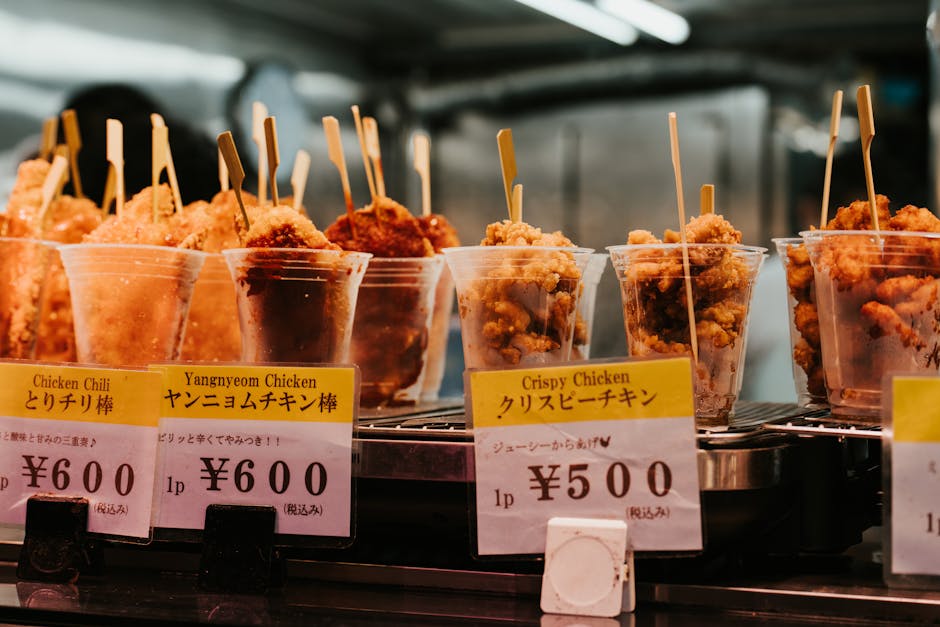
Visit Gwangjang Market for bindaetteok (mung bean pancakes) and mayak gimbap (addictive seaweed rice rolls). Try a Korean fried chicken and beer combo (chimaek) in Hongdae.
8. New Orleans, USA
New Orleans blends French, Spanish, African, and Caribbean influences. Its food is rich, spicy, and deeply comforting.
Try gumbo, jambalaya, and beignets at Café du Monde. Explore the French Quarter’s Creole restaurants. Don’t miss a po’boy sandwich from a local deli.
9. Barcelona, Spain
Barcelona excels in tapas, seafood, and Catalan specialties. The city’s markets are a feast for the senses.
Visit La Boqueria on La Rambla. Sample jamón ibérico, pan con tomate, and patatas bravas. Pair with a glass of cava or local vermouth.
10. Hanoi, Vietnam
Hanoi is the heart of Vietnamese cuisine. Its dishes are fresh, herbaceous, and balanced.
Start with a bowl of pho bo (beef noodle soup) at a sidewalk stall. Try bún chả (grilled pork with noodles) in the Old Quarter. Sip egg coffee—a local invention of whipped egg yolk and robusta coffee.
Eating Safely While Traveling
Foodborne illness can ruin a trip. Take precautions without letting fear stop you from trying new things.
Choose Busy Vendors
High turnover means fresher food. Look for stalls with long lines of locals. Avoid places where food sits uncovered for hours.
Watch Food Preparation
Opt for meals cooked to order. Avoid raw vegetables and unpeeled fruits unless you’ve washed them yourself. Stick to bottled water and avoid ice in questionable areas.
Know Your Limits
Spicy, rich, or unfamiliar foods can upset your stomach. Start small. Carry probiotics or digestive aids if needed. Stay hydrated and rest if you feel unwell.
Budgeting for Food Travel
Food costs vary widely by city. In Bangkok, a meal can cost under $2. In Paris, a three-course dinner may run $50 or more.
Set a daily food budget. Mix high-end dining with affordable street food. Cook simple meals if your accommodation has a kitchen.
Use local transportation to reach food destinations. Walking is often the best way to discover hidden gems. Avoid overpriced tourist restaurants near landmarks.
Sustainable and Ethical Food Travel
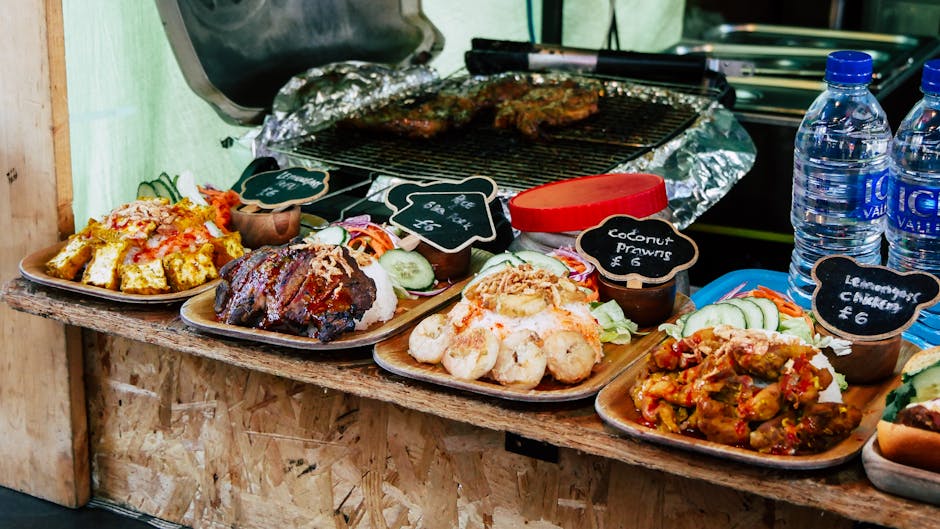
Support local farmers, vendors, and small businesses. Eat at family-owned restaurants and buy from markets instead of chains.
Avoid endangered species or unsustainable practices. In Southeast Asia, skip shark fin soup. In the Mediterranean, choose line-caught fish over farmed options when possible.
Reduce waste by carrying a reusable water bottle, utensils, and containers. Say no to single-use plastics. Share dishes to minimize leftovers.
Seasonal Food Travel Tips
Timing matters. Visit during harvest seasons for the best produce. In Tuscany, autumn brings truffles and olives. In Japan, spring offers sakura-season specialties.
Check local food calendars. Many cities host annual festivals—like San Sebastian’s Tamborrada or Bangkok’s Vegetarian Festival. These events offer unique culinary experiences.
Avoid peak tourist seasons if you prefer quieter dining. Shoulder seasons (spring and fall) often offer better prices and fewer crowds.
Packing Essentials for Food Travelers
Pack light, but bring a few key items. A portable chopstick set, spice sampler, or small knife can enhance your experience.
Include a reusable shopping bag for market hauls. Bring a compact food journal to record recipes, restaurant names, and tasting notes.
If you have dietary restrictions, carry translated cards explaining your needs. Research allergen terms in the local language.
Making the Most of Your Culinary Adventure
Stay curious and open-minded. Try something new every day—even if it looks unusual. Some of the best meals come from unexpected places.
Document your journey. Take photos, write reviews, or start a food blog. Share your discoveries with fellow travelers.
Remember: the goal isn’t to eat at every famous restaurant. It’s to connect with people, places, and flavors in a meaningful way.
FAQ
What’s the best way to find authentic local food?
Ask locals, visit neighborhood markets, and avoid restaurants with English-only menus or tourist photos. Food tours with local guides are also highly effective.
How can I eat safely while traveling internationally?<n Choose busy vendors, eat food cooked to order, avoid raw produce unless washed, and drink bottled water. Watch food preparation when possible.
Which cities are best for budget food travel?
Bangkok, Mexico City, and Hanoi offer incredible meals for under $5. Even in pricier cities like Paris or Tokyo, street food and casual eateries provide affordable options.