
Ultimate Beach and Island Travel Guide to Blue Waters
Looking for pristine shores, crystal-clear lagoons, and unforgettable island escapes? The Ultimate beach and island travel Guide to Blue Waters delivers everything you need to plan your perfect tropical getaway. From hidden coves to luxury resorts, this guide covers top destinations, travel tips, packing essentials, and local insights—so you can explore with confidence. Whether you’re after snorkeling adventures, sunset dinners on the sand, or simply a quiet stretch of white sand to unwind, Blue Waters offers some of the world’s most breathtaking coastal experiences.
Why Blue Waters Stands Out Among Global Beach Destinations
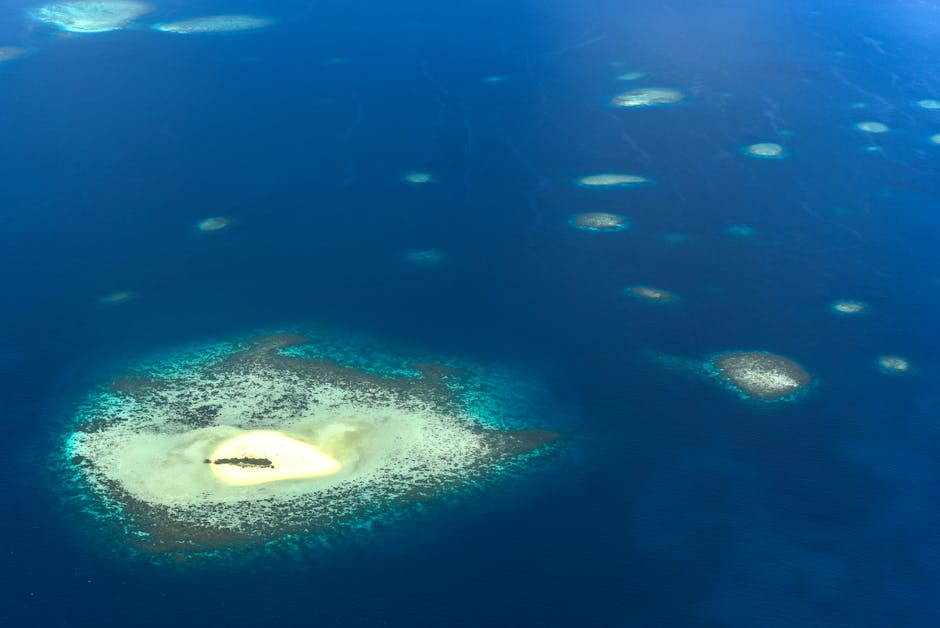
Blue Waters isn’t just a location—it’s a destination defined by its vibrant marine ecosystems, consistent trade winds, and a string of protected coral reefs. Unlike overdeveloped tourist hubs, many of its islands maintain a balance between accessibility and natural preservation. The region spans several archipelagos across the South Pacific and Caribbean, each offering distinct vibes—from secluded atolls to lively beach towns.
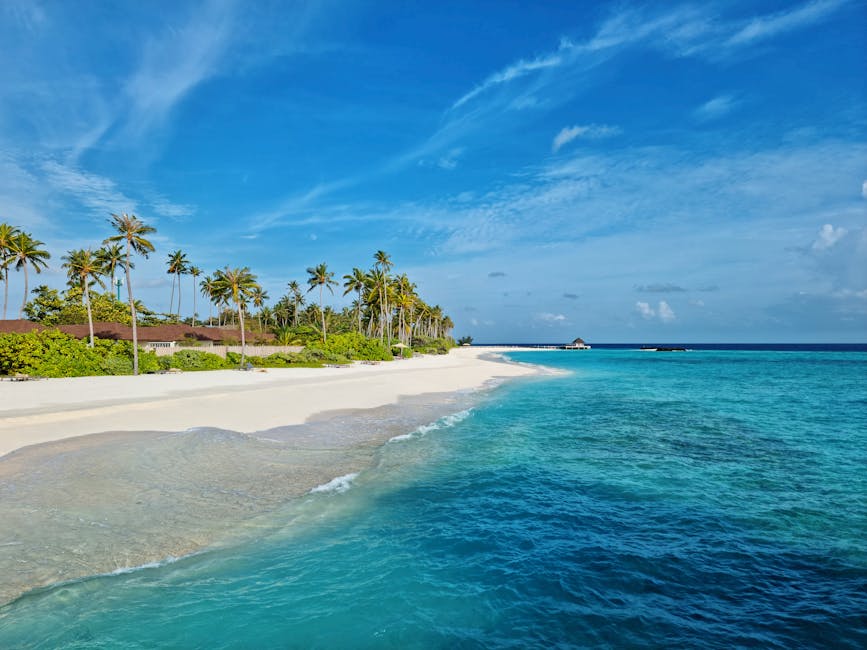
What sets Blue Waters apart is its commitment to sustainable tourism. Local governments and communities actively limit resort density, protect nesting sea turtle sites, and promote reef-safe practices. This means travelers enjoy cleaner beaches, healthier coral gardens, and authentic cultural interactions—without the crowds found in more commercialized zones like Cancún or Phuket.
Climate and Best Time to Visit
The ideal window for visiting Blue Waters runs from late April to early November, when rainfall is minimal and ocean conditions are calm. During these months, visibility for snorkeling and diving exceeds 30 meters, and daytime temperatures hover between 78°F and 86°F. Avoid December through March if possible, as this is peak hurricane season in the Caribbean sector and monsoon period in the Pacific islands.
Even within the recommended season, check regional forecasts. Some northern atolls experience stronger currents in August, which can affect boat transfers. If you’re planning water activities, aim for May or September—shoulder months with fewer tourists and stable weather.
Top Islands to Explore in Blue Waters
Each island in the Blue Waters region offers something unique. Here are five standout destinations that cater to different travel styles:
1. Azure Atoll (Pacific): A marine sanctuary with over 200 species of coral and frequent manta ray sightings. Accessible only by private charter or small eco-lodge boats, it’s ideal for couples or small groups seeking solitude.
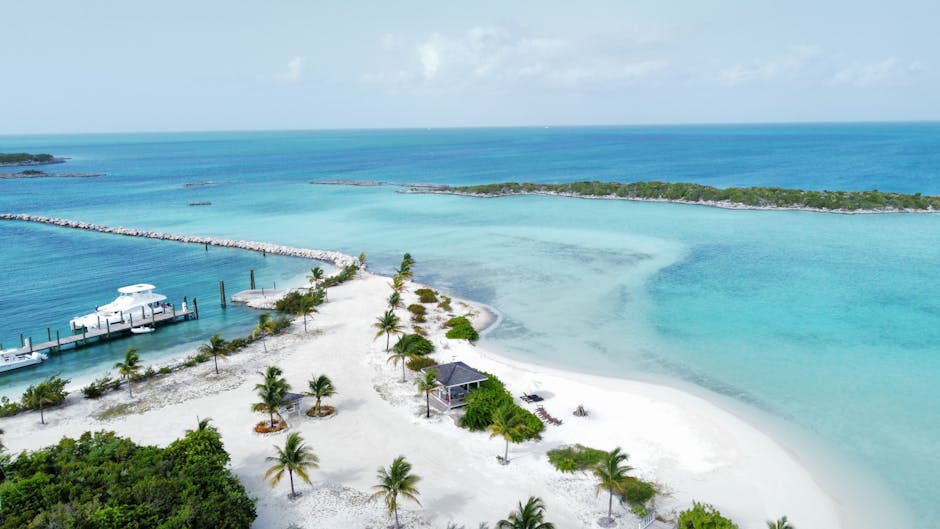
2. Coral Key (Caribbean): Known for its powdery white beaches and all-inclusive boutique resorts. Great for families, with calm lagoons perfect for beginner snorkelers and kids’ activity programs.
3. Seabreeze Cay: A cultural hotspot with weekly beach markets, live music, and historic colonial architecture. Rent a scooter to explore inland waterfalls and spice plantations.
4. Lagoon Isle: Famous for bioluminescent bays. Night kayaking tours illuminate the water with glowing plankton—best experienced during new moon phases.
5. Driftwood Island: A surfer’s paradise with consistent offshore breaks from June to October. Limited accommodations mean advance booking is essential.
How to Get to Blue Waters: Flights, Ferries, and Transfers
Reaching Blue Waters depends on which island group you’re visiting. Most travelers fly into a major hub—such as Nassau (Bahamas), Papeete (Tahiti), or Bridgetown (Barbados)—then take a connecting flight or ferry.
Inter-island flights are operated by regional carriers like Blue Skies Air and Island Hopper Express. These typically use small turboprop planes with baggage limits (often 30–40 lbs total). Pack light and confirm weight restrictions before booking.
Ferries are a budget-friendly alternative for nearby islands. The Coral Key–Seabreeze Cay route runs twice daily and takes 90 minutes. However, schedules can change due to weather, so allow flexibility in your itinerary.
Visa and Entry Requirements
Citizens of the U.S., Canada, EU, and Australia generally receive visa-free entry for stays up to 90 days. Always verify requirements based on your passport and intended length of stay. Some islands require proof of return tickets and sufficient funds (usually $50–100 per day).
Travel insurance is strongly recommended. While not always mandatory, it’s required by many resorts and tour operators—especially for activities like diving or boat excursions.
Where to Stay: Resorts, Villas, and Eco-Lodges
Accommodations in Blue Waters range from five-star overwater bungalows to barefoot-chic beach huts. Your choice will depend on budget, group size, and preferred level of comfort.
Luxury Resorts
For a pampered experience, consider the Azure Atoll Resort & Spa, which features private plunge pools, in-room massage services, and a zero-waste dining program. Rates start at $800 per night, including breakfast and airport transfers.
On Coral Key, the Seabreeze Grand offers family suites with kitchenettes and direct beach access. Their “reef restoration package” includes a guided snorkel tour and a donation to local conservation efforts.
Budget and Mid-Range Options
Travelers seeking value should look at locally owned guesthouses like Driftwood Inn on Driftwood Island. Rooms start at $120 per night and include bicycles and snorkel gear. Many include homemade breakfasts with fresh fruit and local coffee.
Vacation rentals via platforms like BlueStay (a regional alternative to Airbnb) offer full villas with kitchens—ideal for longer stays or groups. Always read recent reviews and confirm cancellation policies.
Eco-Friendly Stays
Eco-lodges such as Lagoon Isle’s Tide & Timber use solar power, rainwater harvesting, and composting toilets. They partner with marine biologists to offer educational tours and citizen science programs. Staying here supports community-led conservation.
Look for certifications like Green Globe or EarthCheck when booking. These ensure the property meets international sustainability standards.
What to Do: Activities and Experiences
Blue Waters is more than just sun and sand. The region offers a rich mix of adventure, culture, and relaxation.
Water Adventures
Snorkeling and scuba diving are top draws. The Azure Atoll’s House Reef requires no boat—just walk out from the beach. Certified divers can explore the Blue Hole, a 120-foot limestone cavern with schools of barracuda and reef sharks.
Kayaking through mangrove forests reveals hidden lagoons and birdlife. Guided night tours on Lagoon Isle are unforgettable, especially when the water glows with bioluminescence.
Surfing is best on Driftwood Island’s north shore, where consistent swells draw international competitors. Beginners should take lessons at the Driftwood Surf School, which provides boards and wetsuits.
Land-Based Exploration
Rent a Jeep or scooter to explore Seabreeze Cay’s interior. Visit the Old Spice Plantation, where guided walks explain the history of nutmeg and cinnamon cultivation. Stop at the cliffside viewpoint for panoramic ocean views.
On Coral Key, hike the Lighthouse Trail—a moderate 2-mile loop ending at a 19th-century stone tower. Bring water and sunscreen; shade is limited.
Cultural Encounters
Attend a beach bonfire on Friday nights at Seabreeze Cay’s main strip. Local musicians play reggae and calypso while vendors serve grilled fish and coconut rice.
Many islands host craft markets where artisans sell handmade jewelry, woven baskets, and batik fabrics. Purchasing directly supports local economies—avoid mass-produced souvenirs.
Packing Essentials for Your Blue Waters Trip
Smart packing ensures you’re prepared without overloading your luggage. Start with reef-safe sunscreen (zinc oxide or titanium dioxide based)—chemical sunscreens are banned in several Blue Waters locations to protect coral.
Bring a lightweight, quick-dry wardrobe: swimsuits, cover-ups, breathable shirts, and sandals. A wide-brimmed hat and UV-blocking sunglasses are non-negotiable.
Don’t forget a waterproof phone case, portable charger, and reusable water bottle. Many islands have refill stations to reduce plastic waste.
What Not to Bring
Avoid single-use plastics, including straws and bags—they’re prohibited in most Blue Waters destinations. Also, leave behind drones unless you have explicit permission; many protected areas ban them to protect wildlife.
Alcohol is typically available at resorts and bars, so there’s no need to bring your own. Duty-free limits apply upon arrival.
Safety Tips and Travel Warnings
Blue Waters is generally safe for tourists, but a few precautions go a long way. Always swim near lifeguard stations when available, and heed warning flags—red means no swimming, yellow indicates caution.
Marine life is beautiful but can be dangerous. Avoid touching coral, sea urchins, or jellyfish. If stung, rinse with vinegar (not freshwater) and seek medical help if symptoms worsen.
Petty theft can occur in crowded areas. Use hotel safes for passports and extra cash. Avoid walking alone on isolated beaches at night.
Health Considerations
No special vaccinations are required for most Blue Waters destinations, but ensure routine vaccines (tetanus, hepatitis A) are up to date. Tap water is safe to drink on larger islands but may be brackish on remote atolls—opt for bottled or filtered water when unsure.
Mosquito-borne illnesses like dengue occur in some regions. Use EPA-approved repellents and sleep under nets if your accommodation lacks screens.
Sustainable Travel Practices in Blue Waters
Responsible tourism protects the very beauty that draws visitors. Start by choosing eco-certified accommodations and tour operators.
When snorkeling or diving, maintain a distance of at least 3 feet from coral. Never stand on reefs—even brief contact can kill delicate organisms.
Support local businesses. Eat at family-run restaurants, hire local guides, and buy directly from artisans. Your spending stays in the community.
Participate in beach cleanups if offered. Many resorts organize weekly volunteer events—great for families and solo travelers alike.
Sample 5-Day Itinerary for First-Time Visitors
Day 1: Arrive at Coral Key. Check into Seabreeze Grand. Relax on Sunset Beach with a welcome drink. Dinner at The Driftwood Grill (try the grilled mahi-mahi).
Day 2: Morning snorkel tour to the Coral Gardens. Afternoon free for spa treatment or beach reading. Evening beach bonfire and live music.
Day 3: Ferry to Seabreeze Cay. Scooter tour to the spice plantation and lighthouse. Lunch at a beachside café. Return to Coral Key by 6 PM.
Day 4: Day trip to Azure Atoll (book in advance). Guided reef walk and picnic lunch. Optional sunset kayak.
Day 5: Souvenir shopping at the morning market. Check out and transfer to the airport. Depart with memories—and a reusable tote as a reminder to travel light.
Final Tips for a Seamless Blue Waters Experience
Book inter-island transport and popular tours at least 6–8 weeks ahead, especially during peak season. Last-minute availability is rare.
Download offline maps and translation apps. While English is widely spoken, knowing a few phrases in the local dialect (like “thank you” or “how much?”) goes a long way.
Keep digital and physical copies of your passport, insurance, and itinerary. Store them separately in case of loss or theft.
Lastly, embrace the island pace. Things move slower here—and that’s the point. Let go of rigid schedules and savor the moment.
FAQ
Q: Do I need a passport to visit Blue Waters?
A: Yes, a valid passport is required for all international visitors. Some islands also require it to be valid for at least six months beyond your departure date.
Q: Is it safe to swim in the ocean around Blue Waters?
A: Generally, yes—especially in designated swimming areas with lifeguards. Always check for warning flags and avoid swimming alone in remote locations.
Q: Can I use my credit card everywhere in Blue Waters?
A: Major resorts and restaurants accept cards, but smaller vendors and markets often operate cash-only. Carry small bills in the local currency for tips and purchases.