
Best Food and Culinary Travel Routes for Wine Lovers
For wine lovers, the perfect trip blends exceptional vineyards with unforgettable local cuisine. The best food and culinary travel routes for wine lovers combine scenic landscapes, expertly guided tastings, and regional dishes crafted to complement each pour. Whether you’re exploring the rolling hills of Tuscany or the sun-drenched valleys of Napa, these journeys offer more than just wine—they deliver immersive cultural experiences rooted in terroir, tradition, and taste. This guide highlights top routes where food and wine converge, offering practical advice, must-visit stops, and insider tips to help you plan a trip that satisfies both palate and wanderlust.
Why Combine Food and Wine Travel?
Wine and food share a deep connection shaped by geography, climate, and culture. Traveling along culinary routes allows wine lovers to understand how local ingredients influence flavor profiles in both dish and drink. A vineyard tour in Bordeaux isn’t complete without pairing a glass of Cabernet Sauvignon with duck confit or a creamy Saint-Émilion cheese.
These journeys also support sustainable tourism. Visiting small producers and family-run restaurants helps preserve regional traditions and reduces the environmental impact of mass tourism. You’ll taste authentic flavors while contributing to local economies.
Top Culinary Travel Routes for Wine Enthusiasts
1. Tuscany, Italy: Chianti Classico and Farmhouse Feasts
Tuscany’s Chianti Classico region is a dream for wine and food lovers. This area between Florence and Siena is dotted with medieval villages, olive groves, and vineyards producing bold Sangiovese-based wines. The rolling hills are as beautiful as they are bountiful.
Start in Greve in Chianti, a charming town with a central piazza and access to numerous wineries. Visit Castello di Verrazzano, a historic estate offering tastings paired with estate-grown olive oil and bread. Their wine library tour includes vertical tastings of Chianti Classico Riserva.
Don’t miss a meal at Osteria di Passignano, located within the Antinori nel Chianti Classico winery. The menu features ribollita, pappa al pomodoro, and bistecca alla fiorentina—each dish designed to highlight local ingredients and wine pairings.
Travel tip: Rent a car to explore backroads, but designate a driver or use local guides. Many wineries require appointments, so book in advance.
2. Napa Valley, California: From Farm to Glass
Napa Valley is synonymous with premium wine, but its farm-to-table dining scene is equally impressive. The region’s Mediterranean climate supports organic farms, heirloom produce, and artisanal cheesemakers—all essential to its culinary identity.
Begin in St. Helena, where The Restaurant at Meadowood (now reborn as The Charter Oak) serves seasonal dishes in a rustic-chic setting. Chef Christopher Kostow’s menu changes daily based on what’s fresh, with wine pairings curated from nearby cellars.
Visit Frog’s Leap Winery for a sustainable agriculture tour. Their organic vineyards and vegetable gardens supply ingredients for on-site tastings. Try their Cabernet Sauvignon with roasted beets and goat cheese—a surprising but perfect match.
For a unique experience, book a hot air balloon ride at dawn, followed by a champagne breakfast at Domaine Carneros. The estate’s sparkling wines are made using the traditional méthode champenoise, and the château-inspired setting feels like a slice of France.
3. Bordeaux, France: Wine Capital with Gourmet Roots
Bordeaux is one of the world’s most prestigious wine regions, but its food culture is often overlooked. The city and surrounding areas offer a refined blend of haute cuisine and rustic bistro fare, all tied to the region’s maritime climate and river access.
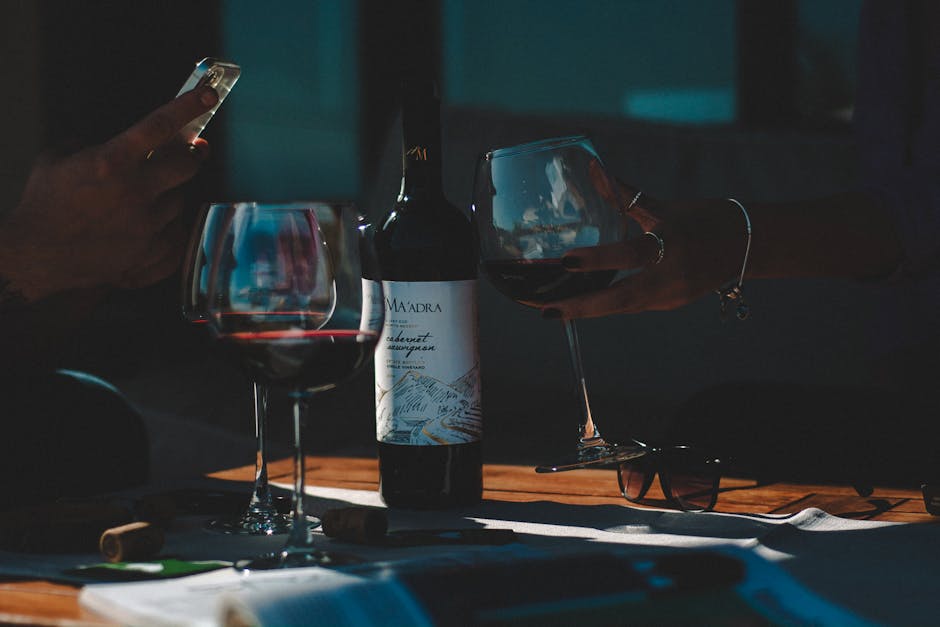
Start with a walking food tour in Bordeaux’s historic center. Sample canelés (caramelized custard pastries), oysters from Arcachon Bay, and duck breast with prunes—all local specialties. Many tours include wine pairings from nearby appellations like Saint-Émilion or Pomerol.
Take a day trip to Saint-Émilion, a UNESCO World Heritage site. Tour the underground monolithic church and visit Château Ausone or Château Cheval Blanc for exclusive tastings. Pair your wine with a cheese platter featuring Ossau-Iraty and Comté.
Warning: Many top châteaux require reservations months in advance. Check availability early, especially during harvest season (September–October).
4. Willamette Valley, Oregon: Pinot Noir and Pacific Northwest Flavors
Willamette Valley is renowned for its elegant Pinot Noir, but the region’s cuisine is equally compelling. Influenced by Pacific Northwest ingredients—wild salmon, mushrooms, hazelnuts, and berries—the food here is fresh, earthy, and deeply seasonal.
Begin in McMinnville, a small town with a vibrant food scene. Visit Thistle, a farm-to-table restaurant sourcing from over 30 local farms. Their menu might feature Dungeness crab with Pinot Noir beurre blanc or roasted lamb with foraged chanterelles.
Tour Domaine Serene, a producer known for its Burgundian-style wines. Their tasting room offers flights paired with small plates like truffle honey and house-cured charcuterie. The hilltop views of the valley are unforgettable.
For a hands-on experience, join a foraging tour with a local guide. Learn to identify wild mushrooms and edible plants, then enjoy a meal prepared with your finds at a nearby winery.
5. Mendoza, Argentina: High-Altitude Malbec and Asado
Mendoza, nestled at the foot of the Andes, is Argentina’s wine heartland. The high-altitude vineyards produce bold Malbecs with intense fruit and smooth tannins. But the real magic happens when you pair them with asado—the national barbecue.
Stay at a boutique wine estate like Cavas Wine Lodge, where each suite has a private plunge pool and vineyard views. Many lodges offer cooking classes teaching how to prepare empanadas, chimichurri, and slow-roasted meats.
Visit Bodega Catena Zapata for a deep dive into high-altitude viticulture. Their Adrianna Vineyard sits at 5,000 feet, producing some of the world’s most acclaimed Malbecs. Tastings often include food pairings like chorizo and provoleta cheese.
Take a day trip to the Uco Valley, where newer wineries like Bodega O. Fournier offer modern architecture and panoramic views. Their wine and chocolate pairing experience is a must for dessert lovers.
6. Douro Valley, Portugal: Port Wine and Riverbank Dining
The Douro Valley is one of the oldest demarcated wine regions in the world, famous for Port wine. But the area’s traditional Portuguese cuisine—hearty stews, grilled sardines, and olive oil-drenched bread—deserves equal attention.
Cruise the Douro River on a vintage rabelo boat or a modern river cruise. Many tours include stops at Quinta do Crasto or Quinta da Pacheca, where you can tour vineyards and enjoy al fresco lunches with wine pairings.
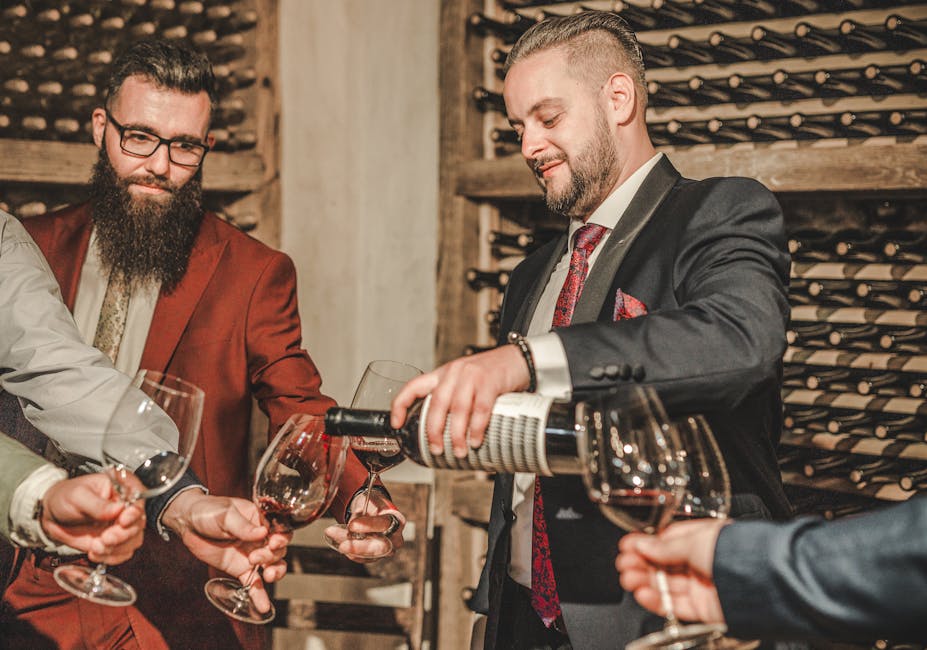
In Pinhão, dine at DOC Restaurant, located right on the river. Chef Rui Paula serves dishes like bacalhau à brás (shredded cod with potatoes and eggs) alongside local Douro reds. The views of terraced vineyards are breathtaking.
For a unique stay, book a room at Six Senses Douro Valley. The luxury resort offers wellness programs, vineyard hikes, and wine blending workshops. Their restaurant sources ingredients from the on-site garden.
How to Plan Your Culinary Wine Route
Step 1: Choose Your Region Based on Wine Preferences
Match your trip to the wines you love. Prefer bold reds? Head to Mendoza or Napa. Enjoy lighter, earthy wines? Willamette Valley or Tuscany may be ideal. Research which regions specialize in your favorite varietals.
Consider climate and season. Harvest time (late summer to early fall) offers lively energy and special events, but also crowds and higher prices. Spring and early summer provide milder weather and blooming landscapes.
Step 2: Book Accommodations with Culinary Access
Stay at wine estates, agriturismi, or boutique hotels with on-site dining. These properties often have partnerships with nearby wineries and can arrange private tastings or chef-led meals.
Look for places with kitchen access if you plan to cook with local ingredients. Some farms offer guest kitchens and markets with fresh produce.
Step 3: Schedule Tastings and Tours in Advance
Most wineries require reservations, especially for food pairings or small-group experiences. Use official winery websites or trusted tour operators to book.
Prioritize a mix of large estates and small, family-run producers. Larger wineries offer polished tours, while smaller ones provide personal stories and rare bottlings.
Step 4: Explore Local Markets and Cooking Classes
Visit farmers’ markets to taste regional specialties and meet producers. In Tuscany, try the Mercato Centrale in Florence. In Mendoza, the Feria Artesanal offers handmade goods and food stalls.
Join a cooking class to learn how locals prepare dishes that complement their wines. Many classes include market tours and wine pairings.
Step 5: Travel Responsibly and Sustainably

Support eco-certified wineries and restaurants that prioritize sustainability. Look for certifications like organic, biodynamic, or Fair Trade.
Use public transport, bikes, or electric vehicles when possible. In Bordeaux, the tram system connects the city to nearby wine villages.
What to Pack for a Food and Wine Trip
Comfortable walking shoes are essential for vineyard tours and cobblestone streets. Bring a reusable water bottle and a small daypack for market visits.
Pack a wine journal to record tasting notes, vineyard names, and food pairings. A compact corkscrew can be useful for impromptu picnics.
Don’t forget a camera—many wineries have stunning architecture and landscapes worth capturing. Just ask before photographing inside cellars or private areas.
Common Mistakes to Avoid
Over-scheduling your itinerary. Leave room for spontaneity—some of the best meals happen in unexpected places.
Drinking too much too fast. Pace yourself with water and food. Many tastings offer spittoons, and using them is perfectly acceptable.
Ignoring local etiquette. In France, it’s polite to greet shopkeepers with “Bonjour.” In Italy, avoid ordering cappuccino after 11 a.m.—it’s considered a breakfast drink.
Final Thoughts
The best food and culinary travel routes for wine lovers are those that engage all the senses. They’re not just about tasting wine—they’re about understanding the land, the people, and the traditions behind every bottle and bite.
Whether you’re sipping Chianti in a Tuscan villa or sharing asado under the Andean stars, these journeys create lasting memories. Plan thoughtfully, travel slowly, and let the flavors guide you.
FAQ
What is the best time of year to visit wine regions for food and wine travel?
Harvest season (typically September to October in the Northern Hemisphere, March to April in the Southern Hemisphere) offers vibrant energy and special events. However, spring and early summer provide milder weather and fewer crowds.
Do I need to speak the local language to enjoy a culinary wine tour?
Not necessarily. Many wineries and restaurants in tourist areas offer English-speaking staff and translated materials. Learning a few basic phrases (like “thank you” or “delicious”) can enhance your experience and show respect.
Can I bring wine back home from my trip?
Yes, but check your country’s customs regulations. Most allow limited quantities of alcohol duty-free. Use carry-on luggage for glass bottles, and consider shipping larger purchases directly to your home to avoid breakage.