
Top Adventure Travel Destinations for First Time Hikers
If you’re new to hiking and eager to explore the great outdoors, choosing the right destination can make all the difference. Exploring first time hiking destinations reveals important insights. The best adventure travel destinations for first-time hikers combine accessible trails, clear signage, reliable weather windows, and stunning scenery—without requiring technical skills or extreme endurance. These locations offer a gentle introduction to backpacking, day hikes, and mountain trekking, helping build confidence while delivering unforgettable experiences. From well-maintained paths in national parks to guided cultural trails in remote regions, there’s a perfect starting point for every beginner.
Why These Destinations Work for Beginners
First-time hikers often face uncertainty about trail difficulty, safety, gear needs, and navigation. The destinations listed here minimize those concerns by offering moderate elevation gains, frequent rest stops, and established infrastructure like visitor centers and emergency services. Many also provide ranger-led programs, downloadable trail maps, and cell service in key areas—critical for building comfort in unfamiliar terrain.
Another advantage is the presence of loop trails or out-and-back routes that allow hikers to turn around at any point without retracing complex paths. This flexibility reduces stress and encourages longer future hikes. Additionally, these locations attract a steady flow of visitors, which enhances safety through visibility and community support.
Best National Parks in the U.S. for New Hikers
Great Smoky Mountains National Park, Tennessee/North Carolina
With over 800 miles of trails, Great Smoky Mountains National Park offers something for every skill level—including complete beginners. The Laurel Falls Trail is a favorite: a 2.6-mile round-trip paved path leading to an 80-foot waterfall. It’s wheelchair accessible in parts and rarely crowded early in the morning.
For a slightly longer challenge, the Abrams Falls Trail (5 miles round-trip) rewards hikers with a powerful cascade and swimming hole—ideal for summer cooling off. Rangers regularly patrol both trails, and trailheads include restrooms and informational kiosks. Spring and fall bring mild temperatures and vibrant foliage, making these seasons ideal for first-time visits.
Yosemite National Park, California
Yosemite can seem intimidating, but several beginner-friendly hikes showcase its grandeur without demanding expertise. The Lower Yosemite Fall Trail is a flat, 1-mile loop that circles the base of North America’s tallest waterfall. It’s paved, stroller-friendly, and offers panoramic views of the valley.
Another excellent option is the Mirror Lake Trail, a 2-mile round-trip walk along Tenaya Creek. Though the lake has shrunk over time, the reflections of Half Dome and surrounding cliffs remain striking. Shuttle service from Yosemite Village reduces parking stress, and trail conditions are updated daily on the park’s website.
Acadia National Park, Maine
Acadia’s network of carriage roads and coastal trails makes it one of the most accessible parks in the Northeast. The Ocean Path Trail runs 2.2 miles along rugged cliffs from Sand Beach to Otter Point, offering ocean views, tide pools, and frequent benches. It’s mostly flat and well-marked, with minimal elevation change.
For a short but memorable hike, the Jordan Pond Path is a 3.3-mile loop around a crystal-clear lake with views of the Bubbles mountains. Well-maintained gravel paths and wooden boardwalks protect fragile ecosystems while keeping footing stable. Acadia also offers free ranger-guided walks tailored to novices.
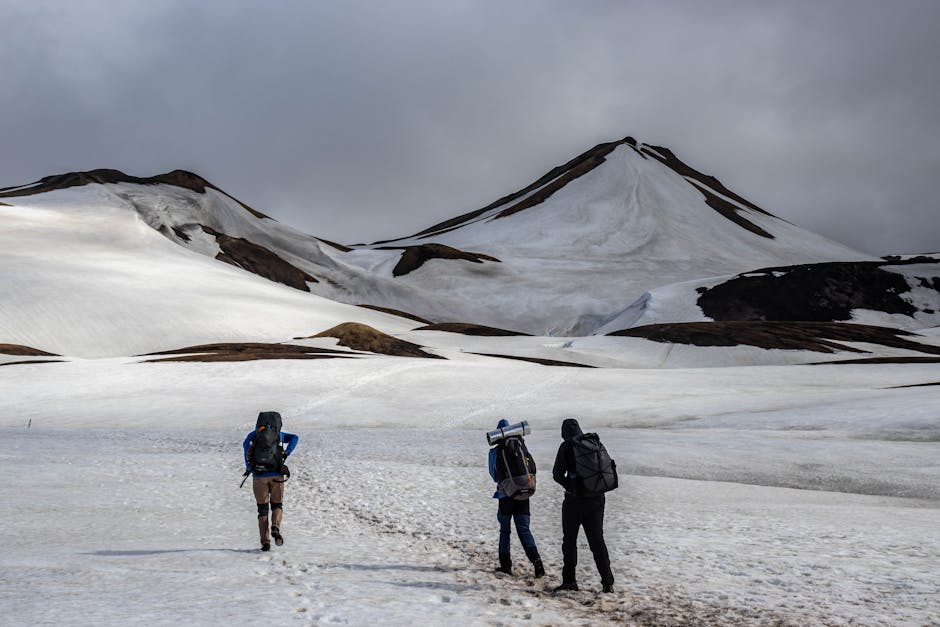
International Gems for First-Time Hikers
The Lake District, England
Famous for inspiring poets like Wordsworth, the Lake District blends gentle terrain with literary charm. The Tarn Hows circuit is a 3-mile loop on compacted gravel, passing three glacial lakes and wooded hillsides. It’s rarely steep and features informational plaques about local geology and wildlife.
Another standout is the Catbells Ridge walk—a 3.5-mile ascent with modest climbs and sweeping views over Derwentwater. While not flat, it’s well-signed and popular among families. Public transport from Keswick makes access easy, and tea rooms along the route offer mid-hike refreshments.
Torres del Paine National Park, Chile
Though remote, Torres del Paine offers structured routes ideal for adventurous beginners. The Base Torres hike is challenging—8 miles round-trip with 2,000 feet of elevation gain—but manageable with preparation. Well-marked trails, refugios (mountain shelters), and daily guided group options reduce risks.
For a gentler alternative, the Laguna Amarga Trail is a 4-mile out-and-back with minimal elevation. It leads to a turquoise lagoon beneath the iconic granite towers. Weather can shift rapidly, so checking forecasts and carrying layers is essential. Most visitors stay in Puerto Natales, a gateway town with gear rentals and tour operators.
Milford Track, New Zealand
Often called “the finest walk in the world,” the Milford Track is a 33-mile, four-day trek through Fiordland National Park. While multi-day, it’s designed for beginners with huts along the route, pre-booked accommodations, and luggage transport options. The path is well-maintained, and river crossings use bridges—not fords.
Highlights include Sutherland Falls, one of the world’s tallest waterfalls, and views of Mackay Falls from the Mackay River suspension bridge. Bookings are required months in advance via the Department of Conservation, but the structured system ensures safety and minimizes environmental impact.
Essential Tips for First-Time Hikers
Start Small and Build Confidence
Begin with trails under 3 miles and minimal elevation gain. Completing shorter hikes builds physical stamina and mental resilience. Use apps like AllTrails or Gaia GPS to preview routes, read recent reviews, and check difficulty ratings from other users.

Avoid comparing yourself to experienced hikers. Everyone starts somewhere—focus on enjoyment, not speed. Celebrate small wins: reaching a viewpoint, identifying a bird species, or packing a successful lunch.
Invest in Proper Footwear and Layers
Quality hiking shoes or boots with ankle support and grip prevent blisters and slips. Exploring first time hiking destinations reveals important insights. Break them in before your trip by wearing them on short walks. Avoid cotton clothing—it retains moisture and causes chafing. Instead, wear moisture-wicking base layers, a breathable mid-layer, and a waterproof outer shell.
A small daypack should hold water (at least 2 liters), snacks, a first-aid kit, sunscreen, and a lightweight rain jacket. Even on sunny days, mountain weather can change quickly. Always carry a physical map and compass as backup—GPS devices can fail.
Check Conditions and Respect Limits
Trail conditions vary by season. Snowmelt in spring can make streams impassable; summer brings heat and crowds; fall offers clarity but earlier sunsets. Check park websites or call ranger stations before departure.
Turn back if you feel fatigued, lost, or caught in bad weather. Pushing beyond your limits increases injury risk. Let someone know your planned route and return time. Many parks offer check-in systems for solo hikers.
Safety and Etiquette on the Trail
Follow Leave No Trace principles: pack out all trash, stay on marked trails, and avoid disturbing wildlife. Yield to uphill hikers and step aside for faster groups. Keep voices low to preserve the natural quiet and respect other visitors.
Carry a whistle and know how to use it—three blasts signal distress. If injured, stay put and use bright clothing or a reflective item to increase visibility. Most beginner-friendly trails have regular foot traffic, so help is usually nearby.
Planning Your First Adventure Trip
Start by identifying your fitness level and available time. A weekend trip to a nearby national park may be more realistic than a week-long international trek. Research permits, parking fees, and shuttle requirements well in advance.
Consider joining a local hiking club or guided tour. Group outings provide mentorship, shared gear, and built-in accountability. Many organizations offer beginner-specific trips with trained leaders.
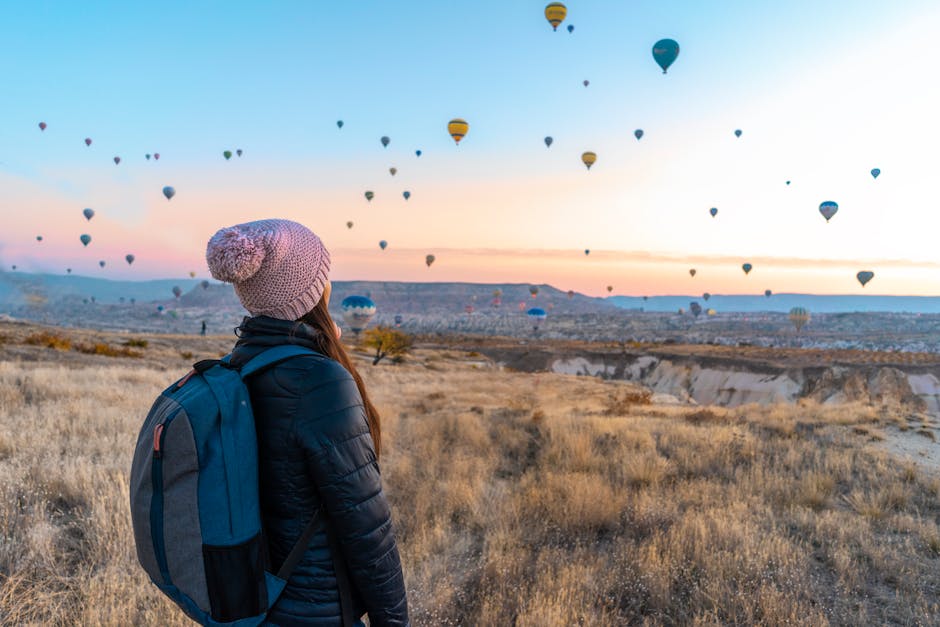
Budget for essentials: footwear, backpack, water filter, and navigation tools. Renting gear is an option for first-timers unsure of long-term interest. Prioritize comfort and functionality over brand names.
What to Expect on Your First Hike
Expect some soreness—especially in calves and knees—but this fades with consistent activity. Bring trekking poles if you have joint concerns; they reduce impact on descents. Pace yourself: it’s better to finish slowly than quit early.
Take frequent breaks to hydrate and enjoy the scenery. Use rest stops to adjust layers, eat snacks, and check your map. Many beginners underestimate the importance of fueling during activity.
How to Choose the Right Destination for You
Match the destination to your interests. Love waterfalls? Choose a park with cascades. Prefer open vistas? Opt for ridge walks or alpine meadows. Climate matters too—desert hikes require early starts and extra water; mountain trails demand warm layers.
Read recent trip reports from hikers of similar experience. Look for mentions of trail maintenance, crowd levels, and wildlife activity. Avoid overly popular trails on holidays if you prefer solitude.
Final Thoughts
The best adventure travel destinations for first-time hikers prioritize safety, accessibility, and natural beauty. Whether you’re walking among redwoods, beside glacial lakes, or beneath snow-capped peaks, the right location sets the tone for a lifelong love of the outdoors. Start small, prepare thoroughly, and embrace the learning curve—every expert was once a beginner.
FAQ
What should I pack for my first hiking trip?
Essentials include sturdy footwear, layered clothing, at least 2 liters of water, high-energy snacks, a first-aid kit, sun protection, a map, and a fully charged phone. Add a rain jacket and headlamp if the hike extends past sunset.
How do I know if a trail is suitable for beginners?
Look for trails under 5 miles round-trip with less than 1,000 feet of elevation gain. Check reviews mentioning “easy,” “well-marked,” or “family-friendly.” National park websites often categorize difficulty levels clearly.
Is it safe to hike alone as a first-timer?
While possible, it’s safer to start with a companion or guided group. If hiking solo, choose well-traveled trails, share your itinerary with someone, carry emergency communication tools, and avoid remote or rugged terrain until you gain experience.