
Ultimate Destination Guide to Rome for New Visitors
Rome is a city where ancient history, vibrant culture, and modern life blend seamlessly. Exploring Rome travel for first-time visitors reveals important insights. For first-time visitors, navigating its cobblestone streets and iconic landmarks can feel overwhelming—but with the right plan, your trip can be smooth and unforgettable. This guide covers everything you need to know before arriving, from must-see sights and local customs to practical tips on transport, food, and timing. Whether you’re exploring the Colosseum, tossing a coin in the Trevi Fountain, or sipping espresso in a hidden piazza, this guide ensures you experience Rome like a savvy traveler, not a lost tourist.
When to Visit Rome
The best time to visit Rome is during spring (April to June) or fall (September to October). During these months, temperatures are mild, crowds are manageable, and outdoor sightseeing is most enjoyable. Summer brings intense heat and peak tourist numbers, especially in July and August, when many locals leave the city.
Winter is quieter and more affordable, though some attractions may have reduced hours. December offers festive markets and holiday lights, but January and February can be chilly and rainy. Avoid major holidays like Easter and Christmas if you prefer fewer crowds, as prices spike and popular sites book up months in advance.
Weather Considerations
Rome enjoys a Mediterranean climate with hot, dry summers and mild, wet winters. Average summer highs reach 30°C (86°F), while winter temperatures rarely drop below 5°C (41°F). Rainfall is heaviest from October to February.
Pack layers for spring and fall, and bring sunscreen, a hat, and comfortable walking shoes in summer. An umbrella or light rain jacket is wise in winter. Always carry a refillable water bottle—Rome has hundreds of public fountains with drinkable water.
Top Attractions for First-Time Visitors
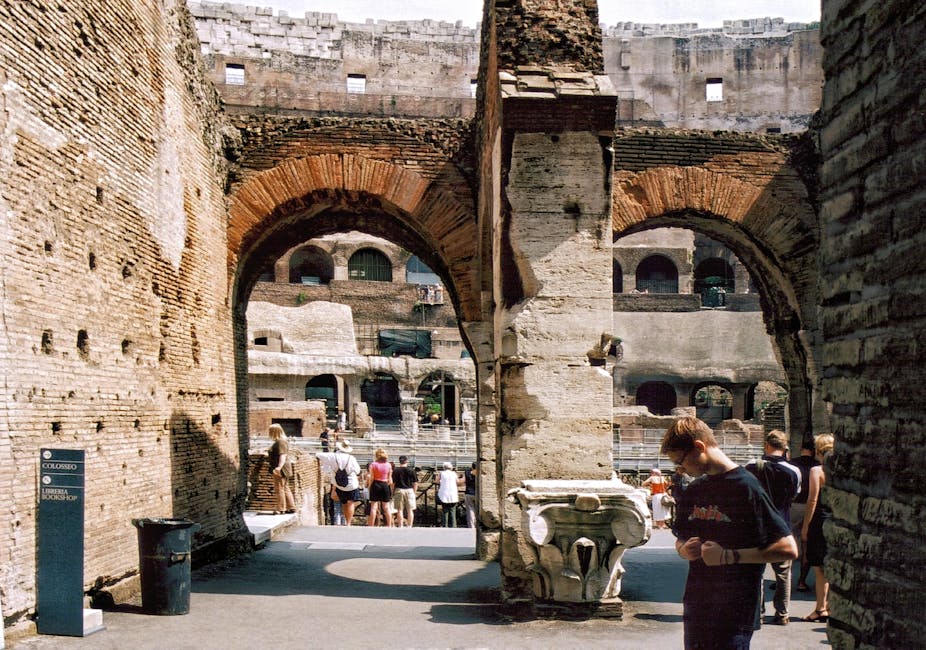
Rome’s historic center is compact and walkable, making it easy to see major sights in a few days. Start with the Colosseum, Roman Forum, and Palatine Hill—these ancient ruins offer a glimpse into the heart of the Roman Empire. Book skip-the-line tickets online to avoid long queues, especially in peak season.
The Vatican Museums, Sistine Chapel, and St. Peter’s Basilica are unmissable. Arrive early or book a guided tour to bypass lines and gain deeper insight. The Pantheon, Trevi Fountain, and Spanish Steps are free to visit and best seen early morning or late evening to avoid crowds.
Hidden Gems Worth Exploring
Beyond the classics, explore Trastevere for its charming alleys, artisan shops, and authentic trattorias. The Aventine Keyhole offers a perfectly framed view of St. Peter’s dome through a small gate—free and magical at sunset.
Visit the Capuchin Crypt beneath the Church of Santa Maria della Concezione, where bones of over 4,000 monks are arranged into ornate decorations. It’s macabre but fascinating. For green space, head to Villa Borghese, Rome’s answer to Central Park, ideal for a lakeside stroll or bike rental.
Getting Around Rome
Walking is the best way to explore central Rome. Most major attractions are within a 30-minute walk of each other. Wear comfortable shoes—cobblestones and uneven pavement are common.
Public transport includes buses, trams, and a metro system with three lines (A, B, and C). The metro doesn’t cover all areas, so buses and trams are often necessary. Buy a daily or weekly ticket (BIT or CIS) from tabaccherias or metro stations. Validate your ticket before boarding to avoid fines.
Using Taxis and Ride-Sharing
Official white taxis are safe but expensive. Use apps like FreeNow or call a licensed taxi service. Avoid unmarked cars offering rides—they’re often scams. Uber operates in Rome but is limited to premium options; standard UberX is not available.
Walking or public transit is usually faster due to traffic and limited parking. If you’re staying outside the center, consider a hotel near a metro stop for easy access.
Where to Stay in Rome
Choose your neighborhood based on your priorities. The historic center (Centro Storico) is ideal for first-timers—close to major sights, restaurants, and shops. Expect higher prices and noise.
Trastevere offers a local vibe with cobblestone streets and lively nightlife. It’s a 20-minute walk to the center but well-connected by bus. Monti is a trendy, quieter area near the Colosseum, popular with young travelers and creatives.
Budget vs. Luxury Options
Budget travelers can find clean hostels and guesthouses for €40–70 per night. Look for places with breakfast included and good reviews. Mid-range hotels (€100–180) offer comfort and location, while luxury stays near the Spanish Steps or Piazza di Spagna start at €300+.
Book accommodations early, especially during festivals or events. Check cancellation policies and read recent guest reviews for accuracy. Avoid staying near Termini Station unless necessary—it’s convenient but can feel chaotic and less scenic.
Food and Dining in Rome
Rome is a food lover’s paradise. Start with classics like cacio e pepe, carbonara, and supplì (fried rice balls). Avoid tourist traps near major attractions—look for places filled with locals, no English menus, and checkered tablecloths.
Eat dinner after 8 p.m., as Romans dine late. Lunch is typically served from 12:30 to 2:30 p.m. Many restaurants close one day a week, often Monday or Tuesday—check ahead.
Must-Try Dishes and Drinks
Order a cappuccino only in the morning—drinking it after a meal is frowned upon. Try maritozzo, a sweet cream-filled bun, for breakfast. For dessert, enjoy tiramisu or gelato from reputable shops like Giolitti or Fatamorgana.
Wine is affordable and abundant. A carafe of house wine (vino della casa) costs €3–5. Avoid bottled water—tap water is safe and free at restaurants upon request.

Local Customs and Etiquette
Dress modestly when visiting churches—cover shoulders and knees. Exploring Rome travel for first-time visitors reveals important insights. Many historic sites enforce this rule strictly. Remove hats and silence phones inside religious buildings.
Italians value politeness. Greet shopkeepers with “buongiorno” (good morning) or “buonasera” (good evening). Tipping is not mandatory—round up the bill or leave €1–2 for good service. Waitstaff earn a living wage, unlike in the U.S.
Language Tips for Travelers
Learn a few basic Italian phrases: “grazie” (thank you), “per favore” (please), and “dov’è il bagno?” (where is the bathroom?). Most people in tourist areas speak English, but effort is appreciated.
Download a translation app like Google Translate with offline mode. Carry a small phrasebook or use voice translation for complex requests.
Safety and Practical Tips
Rome is generally safe, but petty crime like pickpocketing is common in crowded areas. Stay alert on public transport, near major attractions, and in busy markets like Campo de’ Fiori.
Keep valuables in a crossbody bag with a zipper, and avoid flashing expensive items. Use hotel safes for passports and extra cash. Be cautious of scams—fake petitions, friendship bracelets, or “free” roses that suddenly require payment.
Emergency Information
The European emergency number is 112. For police, dial 113; for medical help, 118. U.S. citizens can contact the American Embassy at +39 06 46741. Carry a copy of your passport and travel insurance details.
Pharmacies (farmacie) are marked with a green cross. They’re well-stocked and staffed by trained pharmacists who can advise on minor ailments. Prescriptions from outside the EU may not be valid—bring enough medication for your trip.
Budgeting for Your Trip
Rome can be affordable with smart planning. Budget travelers can manage on €60–80 per day, including accommodation, food, and transport. Mid-range travelers should budget €120–200, while luxury stays can exceed €300 daily.
Free attractions include the Pantheon, Trevi Fountain, and many churches. Many museums offer free entry on the first Sunday of the month. Use city passes like the Roma Pass for discounted transport and entry to two museums.
Money-Saving Tips
eat like a local—grab a panino or pizza al taglio (by the slice) for a quick, cheap meal. Avoid sit-down restaurants near tourist hotspots. Use public fountains for water refills.
Book tickets online in advance to skip lines and sometimes save money. Compare prices on official websites versus third-party sellers. Avoid exchanging money at airports or hotels—use ATMs or banks for better rates.
Day Trips from Rome
If you have extra time, consider a day trip to nearby destinations. Tivoli, home to Villa d’Este and Hadrian’s Villa, is a UNESCO site reachable by train in 45 minutes. Ostia Antica offers ancient Roman ruins similar to Pompeii but closer and less crowded.
Civitavecchia is the port for cruise ships, but you can also take a train to the beach town of Santa Severa for a coastal escape. Or head to the hills of Castelli Romani for wine tasting and scenic views.
Packing Essentials for Rome
Pack light, versatile clothing in neutral colors. Comfortable walking shoes are non-negotiable—Rome involves a lot of standing and walking. Bring a lightweight scarf for church visits and layering.
Don’t forget a universal power adapter (Italy uses Type L plugs, 230V), a portable charger, and a reusable water bottle. A small daypack helps carry essentials while sightseeing.
Final Tips for a Smooth Trip
Download offline maps (Google Maps or Maps.me) to navigate without data. Enable airplane mode and use Wi-Fi when available to save battery. Many cafes and hotels offer free Wi-Fi.
Respect local rhythms—many shops close for a few hours in the afternoon (riposo). Use that time to rest or explore quieter neighborhoods. Stay hydrated, especially in summer, and take breaks in shaded piazzas.
Lastly, embrace the unexpected. Rome rewards curiosity—wander down unmarked alleys, strike up a conversation with a shopkeeper, or simply sit and watch life unfold in a sunlit square. The city reveals its true charm not in guidebooks, but in quiet moments between the crowds.
FAQ
How many days do I need to see Rome?
Three to four days is ideal for first-time visitors to cover major attractions and get a feel for the city. Add an extra day if you plan day trips or want a more relaxed pace.
Is Rome safe for solo travelers?
Yes, Rome is generally safe for solo travelers, including women. Stay aware in crowded areas, avoid poorly lit streets at night, and trust your instincts. Most locals are helpful and welcoming.
Do I need to speak Italian to visit Rome?
No, but learning a few basic phrases goes a long way. English is widely spoken in tourist areas, but attempting Italian shows respect and can enhance your experience.